Key facts
- Iraq plans to triple crude oil exports through Kurdistan to Turkey's Ceyhan port within three months.
- Iraq's oil sector is facing bribery allegations, leading to arrests of officials and employees.
- U.S. EPA's 2026-2027 Renewable Volume Obligations are driving canola futures to record highs.
- Algeria, Nigeria, and Niger have launched a new phase for the Trans-Saharan Gas Pipeline.
- The Trans-Saharan Gas Pipeline is planned to be 4,000 kilometers long.
- The Trans-Saharan Gas Pipeline aims to transport 20-30 billion cubic meters of natural gas annually.
- Georgia gas prices are expected to rise by 33 cents per gallon as a state tax suspension ends.
- EPA Administrator Lee Zeldin pledged to remove federal mandates for Diesel Exhaust Fluid (DEF) systems.
- Russia opened the Northern Sea Route three weeks earlier than usual.
- A poll of 200 CEOs indicates a strong preference for investing in gas projects.
- StoneX raised its forecast for Brazil's soybean production to a record level.
- OPEC+ ministers are scheduled to meet on June 7.
Iraq is planning a significant increase in its crude oil exports through Kurdistan to Turkey's Ceyhan port, aiming to triple shipments within three months. This strategy is designed to circumvent the Strait of Hormuz, which has become a point of disruption for Iraq's oil exports and its economy. The move occurs as Iraq's oil sector faces internal challenges, with officials and employees arrested amidst bribery allegations, prompting calls for further corruption investigations.
In the renewable energy sector, the U.S. Environmental Protection Agency's (EPA) Renewable Volume Obligations (RVOs) for 2026-2027 are significantly impacting commodity markets, pushing canola futures to record highs. These mandates increase the demand for feedstocks like canola oil, essential for biodiesel production. Concurrently, a new phase of construction has begun for the Trans-Saharan Gas Pipeline (TSGP), a project involving Algeria, Nigeria, and Niger. This 4,000-kilometer pipeline is intended to transport 20-30 billion cubic meters of natural gas annually from Nigeria, through Niger, to Algeria, and subsequently to international markets. The TSGP, initially proposed over 15 years ago, has historically contended with security and financing obstacles.
On the transportation fuel front, Georgia is anticipating a 33-cent per gallon increase in gasoline prices as the state's suspension of its gas tax concludes. This will directly affect local gas stations and consumers. In a related regulatory development, EPA Administrator Lee Zeldin has stated his intention to remove federal mandates for Diesel Exhaust Fluid (DEF) systems, addressing concerns from producers regarding tight margins and regulatory burdens.
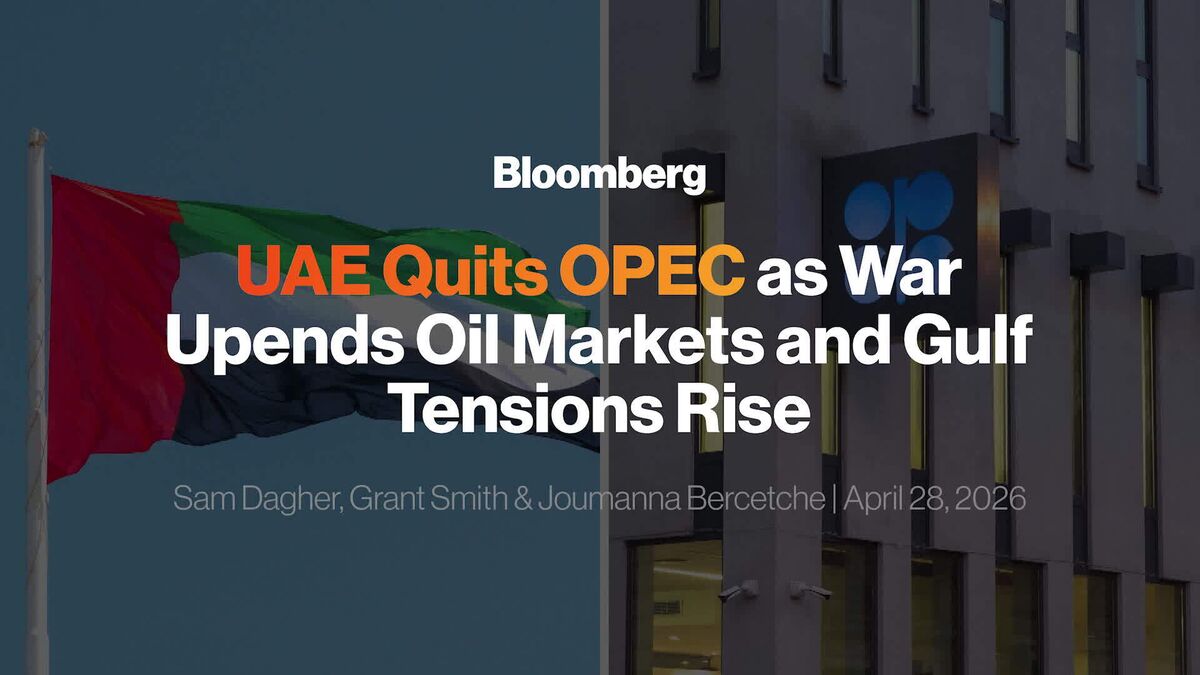
Geopolitical and market dynamics are also influencing energy trade routes and investment. Russia has opened its Northern Sea Route three weeks ahead of schedule, reportedly to take advantage of substantial price premiums. This early opening along its Arctic coast is seen as an effort to leverage market conditions, potentially influenced by broader geopolitical factors. The European Union's trade chief has declared new U.S. tariffs on EU goods as unacceptable, indicating strong opposition to potential trade escalations. Meanwhile, a poll of 200 chief executive officers reveals a strong preference for investing in gas projects, positioning them as the favored choice in the current investment climate. In agricultural markets, StoneX has revised its forecast for Brazil's soybean production upwards to a record level, signaling a substantial increase in the country's harvest. OPEC+ ministers are scheduled to meet on June 7 for their first policy discussion since the UAE's departure from the alliance, with expectations that current output plans will largely remain unchanged, though the UAE's move towards greater market independence is a key point of interest.