Key facts
- Iran uses a 'shadow fleet' of aging tankers to export sanctioned oil.
- China is a primary destination for Iran's sanctioned oil exports.
- Iran's oil tankers disable tracking signals to obscure origin.
- Ship-to-ship transfers are used to hide oil ownership and origin.
- Iran's oil export practices pose environmental and geopolitical risks.
- Venezuela's oil refineries are in a state of severe disrepair.
- Decades of underinvestment and neglect have impacted Venezuela's refineries.
- Full restoration of Venezuela's refineries is estimated to cost at least $20 billion.
- Venezuela's refining infrastructure faces monumental challenges.
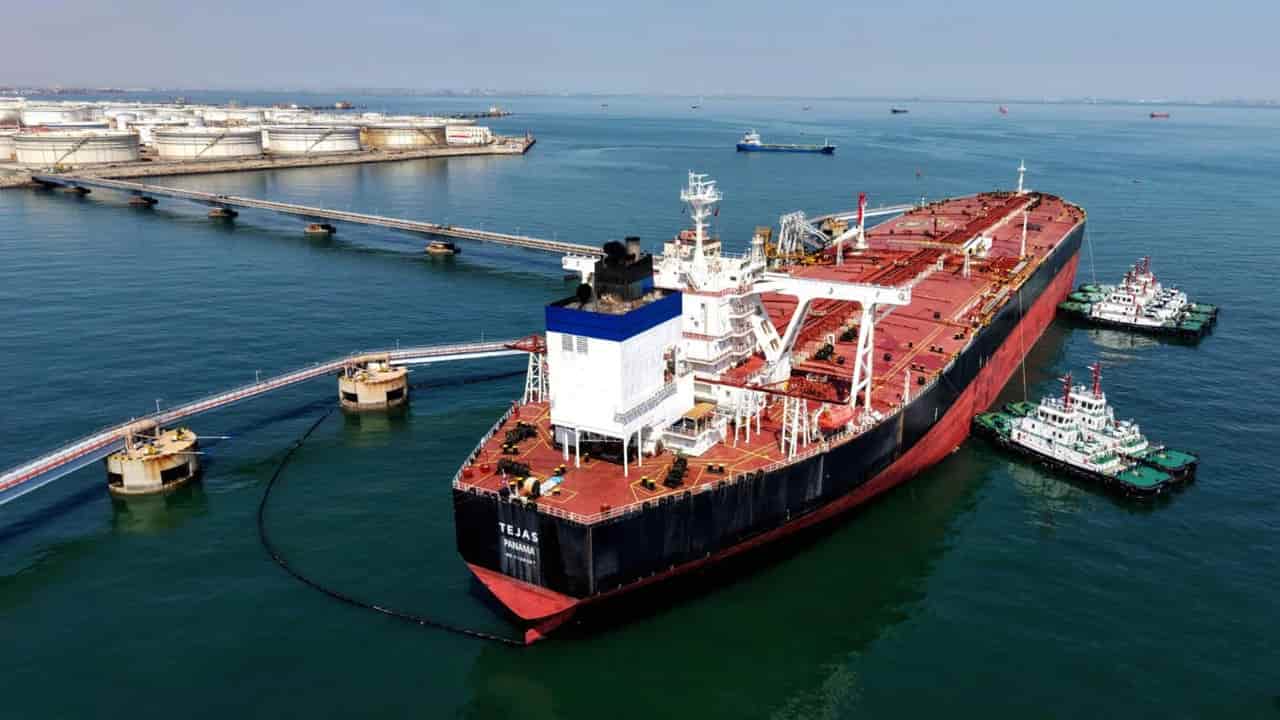
Iran is actively circumventing United States sanctions by utilizing a 'shadow fleet' of aging oil tankers to export its crude oil, with China being a primary destination. These vessels operate within a legal grey zone, employing sophisticated tactics to obscure the origin and ownership of the oil. Key methods include disabling Automatic Identification System (AIS) tracking signals and conducting ship-to-ship transfers, which make it difficult to trace the oil's journey and destination. This clandestine operation poses significant environmental risks, as many of these tankers are old and poorly maintained, increasing the likelihood of spills. Geopolitically, the practice challenges international sanctions regimes and impacts global oil markets.