All NewsEducationTV
Equities & FundsCrypto & Digital AssetsAI & TechnologyBusiness & CorporateUS Politics & PolicyGeopolitics & Global RiskMacro, Rates & FXCommodities & EnergyEuropean Politics & MarketsAsia-PacificReal Estate & Property
Story archiveAll categories
← All Stories

Iran's 'Shadow Fleet': How Sanctioned Oil Reaches Global Markets

Created at 28 Jul · 2:32 PM1 source↑ Market-relevant
IN SHORT

Iran utilizes a 'shadow fleet' of aging tankers to circumvent US sanctions and export oil, often to China. These vessels operate in a legal grey zone, using tactics like disabling tracking signals and ship-to-ship transfers to obscure ownership and origin, posing environmental and geopolitical risks.

✉Newsletter

PiQ Daily

Pick your topics. Get only what matters, on your cadence.

Key Numbers

400estimated number of ships in Iran's shadow fleet
1.4mbarrels per day of oil China imports from Iran (estimate for 2025)
12percent of China's overall crude intake estimated to be from Iran
20years old, minimum age of many tankers used in the shadow fleet
30years old, age of some tankers in the shadow fleet
2mbarrels of oil, capacity of some 'very large crude carriers' in the fleet
4mbarrels of oil released in the Deepwater Horizon disaster
960,000barrels of oil released in the Sanchi tanker incident
32crew members killed in the Sanchi tanker incident

Who's Involved

Iran
operates a 'shadow fleet' to export oil under sanctions
United States
reimposed naval blockade of Iranian ports to intercept tankers
China
largest buyer of Iranian oil, disguising imports
Islamic Revolutionary Guard Corps
affiliated billionaires linked to ownership of shadow fleet vessels
Laleh Khalili
Professor of Gulf Studies at the University of Exeter
International Maritime Organization (IMO)
sets environmental, safety, and labour regulations for shipping
Iran's 'Shadow Fleet': How Sanctioned Oil Reaches Global Markets

↳ Why This Matters

Iran's shadow fleet allows the country to generate crucial revenue despite extensive US sanctions, impacting global oil markets and challenging the effectiveness of international economic pressure. The operation also poses significant environmental risks due to the age and operational methods of the tankers.

Key facts

  • Iran uses a 'shadow fleet' of approximately 400 tankers to export oil and circumvent US sanctions.
  • These vessels often disable tracking signals or broadcast false locations and use ship-to-ship transfers to obscure cargo origin.
  • China is the primary buyer of Iranian oil, disguising imports and paying in Chinese renminbi.
  • The fleet's operation is a response to US sanctions, particularly secondary sanctions on entities involved in transporting or financing Iranian oil.
  • Environmental concerns exist due to the age of many tankers, increasing the risk of leaks and collisions.
  • The US has reimposed a naval blockade of Iranian ports to intercept these vessels.

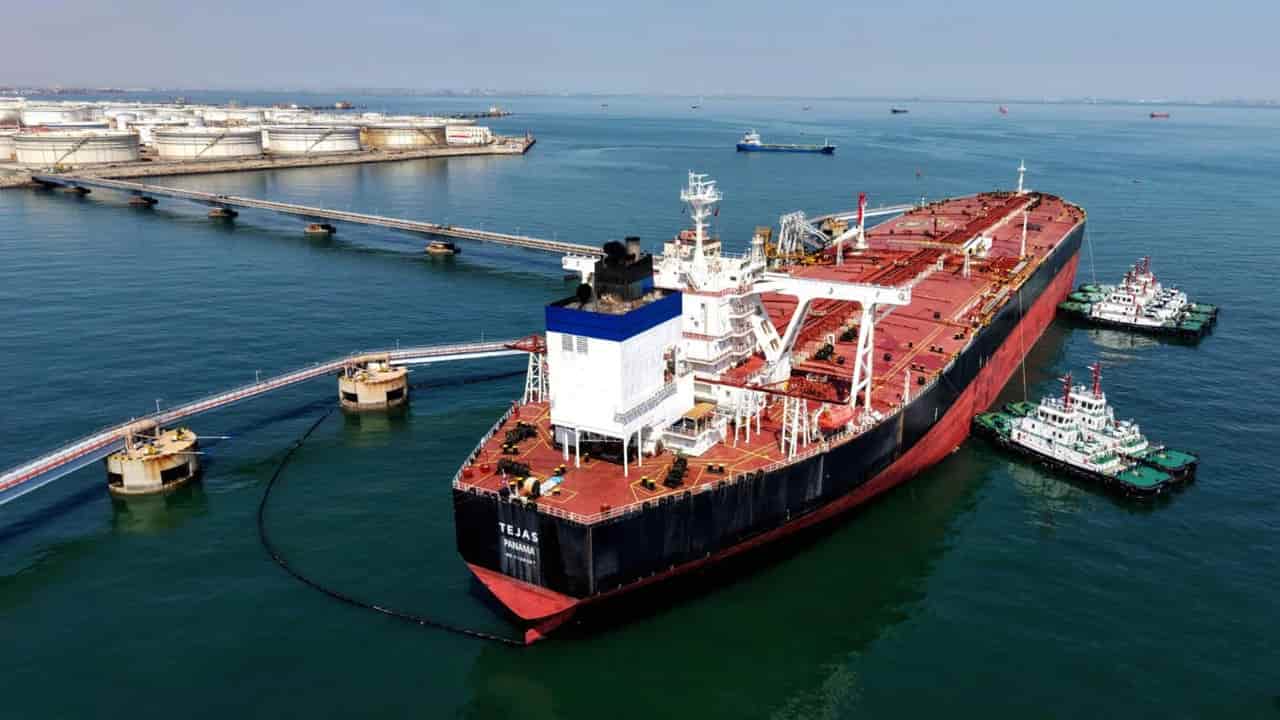
Washington has reimposed a naval blockade on Iranian ports, aiming to intercept vessels involved in the country's 'shadow fleet' which facilitates oil exports despite international sanctions. This fleet, often described as 'dark' or 'ghost' fleets, comprises aging tankers that operate in a legal grey zone, employing tactics like disabling tracking signals, broadcasting false locations, and conducting ship-to-ship transfers to obscure the origin and ownership of oil.

These shadow tankers are typically registered under 'flags of convenience' in countries with lax regulations, such as Bermuda, Liberia, Panama, Malta, and the Marshall Islands. Ownership is often linked to Iranian billionaires affiliated with the Islamic Revolutionary Guard Corps or Chinese businessmen, with crews drawn from Iran, China, and South Asia. Analysts estimate the fleet numbers around 400 ships.

The shadow fleet's existence is a direct response to US sanctions, particularly secondary sanctions that penalize any organization worldwide engaging with Iran's energy sector. While there are no UN sanctions on Iranian oil itself, the US measures effectively cut off Iran from much of the international shipping industry reliant on US banks and dollar transactions.

China is identified as the largest buyer of Iranian oil, though it officially records these imports as coming from other nations like Malaysia and Indonesia. Payments are made in Chinese renminbi through Chinese banks, primarily to smaller, privately-owned refineries in Shandong province. This practice allows China to secure oil at a discount while insulating its larger state-owned refineries from US sanctions.

Environmental concerns are significant, as many of the tankers are over 20 years old, increasing the risk of oil leaks and collisions. The collision of the Iranian-owned tanker Sanchi in 2018, which sank and released nearly a million barrels of oil, serves as a stark example of the potential environmental damage. The US and UK have previously attempted to intercept ships involved in Iranian, Russian, and Venezuelan oil shipments.

Frequently asked questions

It is a network of aging tankers used by Iran to transport oil and circumvent international sanctions. These ships often operate discreetly, disabling tracking signals and using ship-to-ship transfers.

There are no UN sanctions on Iranian oil itself, making its trade not inherently illegal under international law. However, some vessels may breach environmental, safety, and labor regulations set by the International Maritime Organization.

China is the largest buyer, disguising imports and paying in its own currency. These purchases are mainly made by smaller, privately-owned refineries in Shandong province.

Many tankers are old, increasing the likelihood of oil leaks. The practice of disabling tracking data also raises the risk of collisions, as seen in the Sanchi tanker incident.

What Happens Next

01US military efforts to intercept vessels involved in the shadow fleet are expected to continue.
02Further scrutiny of ship-to-ship transfers and vessel registration will likely increase.

Get the newsletter.

Pick the topics you actually care about. We'll email when there's news worth your time, on the cadence you choose. Cancel any time from your account.

Cadence
CME Headlines
  • WTI Crude Oil futures slide 7% as U.S.-Iran tensions ease.
    27 Jul · 8:29 PM
  • WTI Crude Oil futures slide 7% as U.S.-Iran tensions ease.
    27 Jul · 8:29 PM
  • Gold futures pare early gains as short-term yields shift.
    27 Jul · 7:56 PM

How It Developed

The US has reimposed a naval blockade of Iranian ports following the collapse of a peace deal.
Iran has maintained oil revenue through a 'shadow fleet' of tankers operating outside global shipping norms.
These 'dark' or 'ghost' fleets use subterfuge, such as disabling tracking signals or broadcasting false locations, to evade detection.
Many vessels are registered under 'flags of convenience' in countries with lax regulations.
Ownership can be traced to Iranian billionaires affiliated with the Islamic Revolutionary Guard Corps or Chinese businessmen.
The fleet is estimated to consist of around 400 ships, employing ship-to-ship transfers to disguise cargo origin.
Iran's shadow fleet is a response to US sanctions, including secondary sanctions on entities financing or transporting Iranian oil.
China is the largest buyer, disguising imports from Iran as coming from other countries and paying in renminbi.

Sources

T1
War on Iran: What is Tehran's 'shadow fleet' really and how does it work?Middle East Eye

Related Stories

Iran Fortifies Kharg Island Oil Terminal Amid U.S. Threats
28 Jul · 11:21 AM
Saudi Arabia May Raise Asia Crude Prices Amid Red Sea Blockade
28 Jul · 1:46 AM
Oil Prices Fall as U.S.-Iran Tensions Ease
28 Jul · 3:16 AM
MGO prices outpace fuel oil in Europe on tight supply
28 Jul · 3:12 PM
Baker Hughes expects modest decline in global oil and gas producer spending for 2026
27 Jul · 4:38 PM