Key facts
- India is experiencing a deficit in monsoon rainfall.
- The monsoon rains have been delayed and insufficient.
- This situation threatens crop yields across the country.
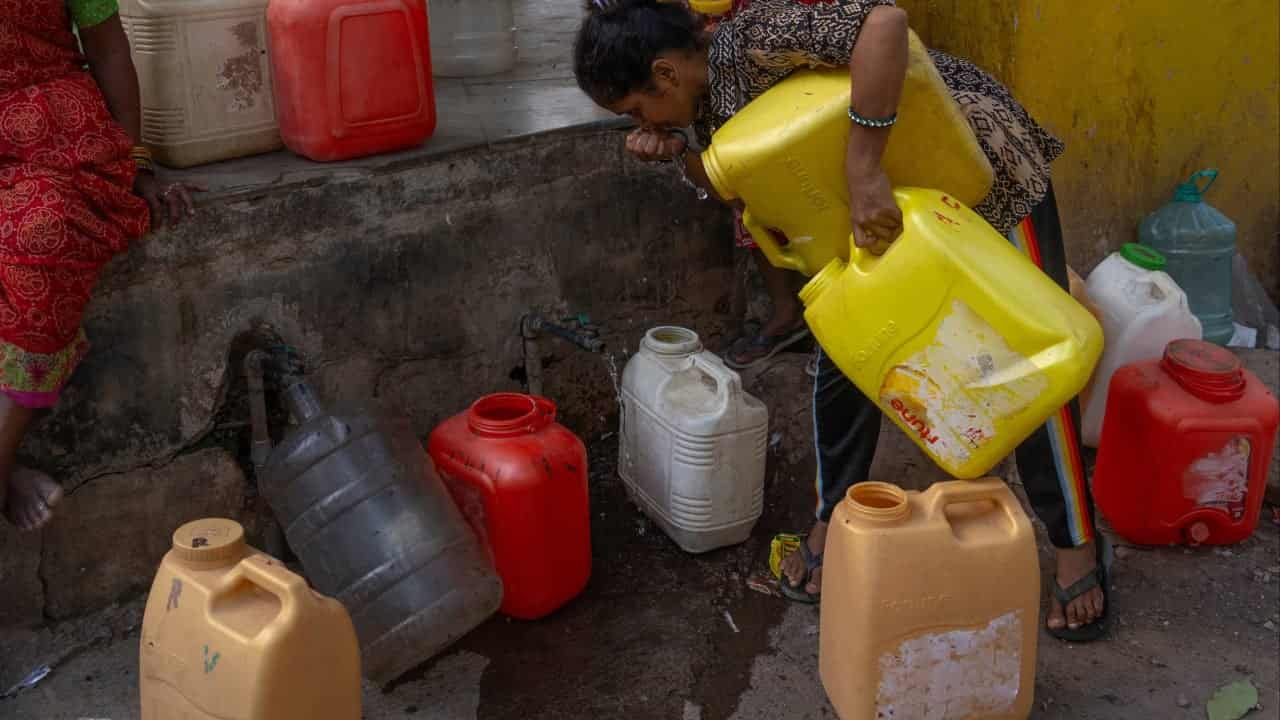
- Urban water availability is also impacted by the rainfall deficit.
- The agrarian economy is particularly vulnerable to these conditions.
India is currently experiencing a notable deficit in its monsoon rainfall, a situation that is causing widespread concern regarding agricultural output and national water reserves. The monsoon season, crucial for the country's agrarian economy, has seen delayed and insufficient rainfall, directly impacting the potential yields of various crops. This scarcity of water extends beyond agricultural fields, affecting urban water availability and putting pressure on municipal water supply systems. The implications of these altered monsoon patterns are significant, potentially leading to reduced food production and necessitating adjustments in water management policies. As the season progresses, the full extent of the impact on crops like rice, pulses, and oilseeds will become clearer, with farmers facing difficult decisions about planting and irrigation. The government and water authorities are monitoring the situation closely, exploring measures to mitigate the effects of the rainfall deficit on both agriculture and urban populations.