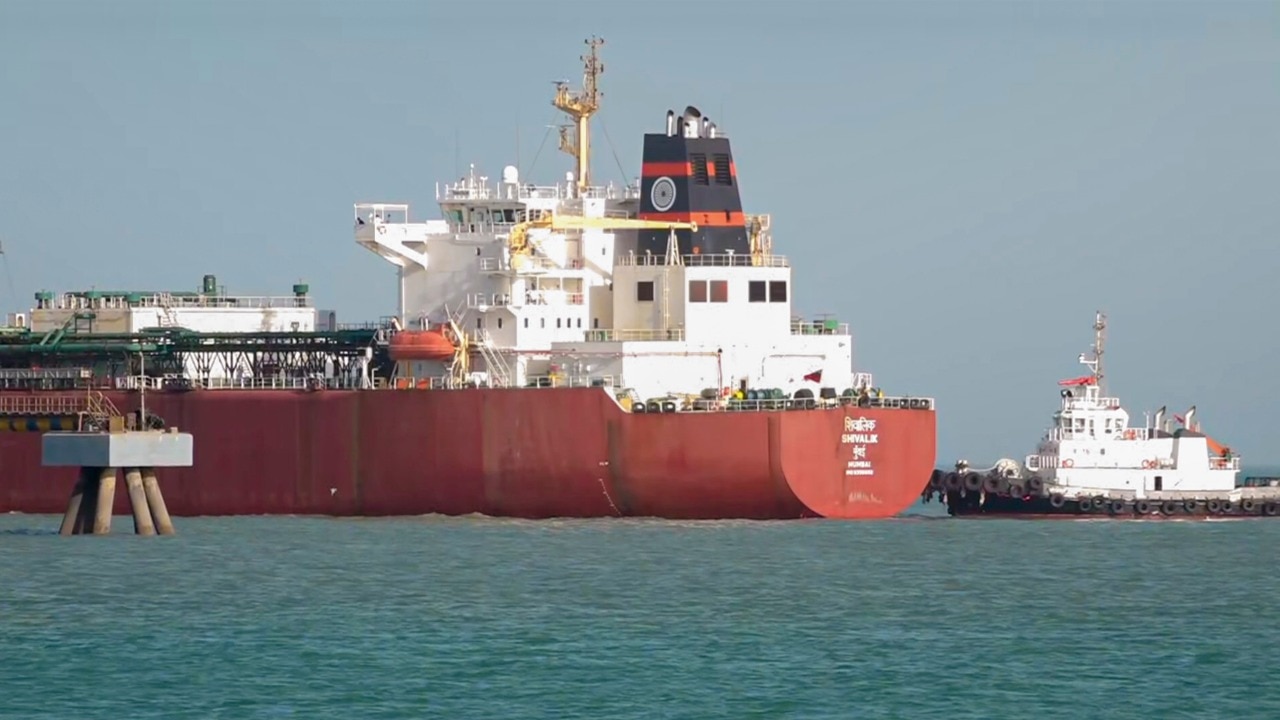
India's Iranian Oil Imports Halted as US Waiver Expires
window 24h
IN SHORT
India has halted its temporary resumption of Iranian oil imports following the expiration of a US waiver, reverting to its pre-war purchasing stance. This development comes as Japanese companies brace for a prolonged recovery in supply chains, with many expecting higher prices and delayed normalization of operations for over six months. In response to recent supply disruptions and price surges, India is also significantly expanding its strategic petroleum reserves with a new $1.6 billion site at Mangaluru to bolster energy security.
✉Newsletter
PiQ Daily
Pick your topics. Get only what matters, on your cadence.
Key Numbers
six monthstime for Japanese firms to normalize operations
$1.6 billionestimated investment for India's new reserve site
Who's Involved
India
nation halting Iranian oil imports and expanding strategic reserves
firms bracing for prolonged supply chain recovery and higher prices
Mangaluru
location of India's new strategic petroleum reserve site
1 / 3
Key facts
India has halted Iranian oil imports as a US waiver expired.
The waiver had allowed India to import crude oil for the first time since 2019.
Japanese companies expect prolonged supply chain recovery and higher prices.
Nearly half of Japanese firms anticipate over six months for operational normalization.
India plans to expand its strategic petroleum reserves with a new site at Mangaluru.
The Mangaluru strategic petroleum reserve project is estimated to cost $1.6 billion.
India's expansion aims to bolster energy security after supply disruptions and price surges.
India's temporary resumption of Iranian oil imports has ceased as the United States waiver permitting these purchases expired without indication of renewal. This waiver had allowed India to import crude oil for the first time since 2019, a period coinciding with the Strait of Hormuz closure. With the waiver's expiration, India will revert to its previous purchasing strategy, which did not include Iranian crude.
Meanwhile, Japanese companies are preparing for a protracted recovery of supply chains and anticipate sustained higher prices and reduced product packaging following the U.S.-Iran peace deal. Nearly half of these firms believe it will take more than six months to return to pre-conflict operational norms. They cite significant damage to supply chains and ongoing concerns regarding oil procurement as key factors contributing to this outlook.
In a separate but related development concerning energy security, India has announced plans to substantially expand its strategic petroleum reserves. This expansion includes a new reserve site at Mangaluru, with an estimated investment of $1.6 billion. The move is intended to strengthen India's energy security in the wake of recent supply disruptions and notable price increases.
↳ Why This Matters
India's temporary resumption of Iranian oil imports has ceased as the United States waiver permitting these purchases expired without indication of renewal. This waiver had allowed India to import crude oil for the first time since 2019, a period coinciding with the Strait of Hormuz closure. With the waiver's expiration, India will revert to its previous purchasing strategy, which did not include Iranian crude.
Frequently asked questions
India resumed buying Iranian oil due to energy shortages and high prices, facilitated by a temporary US waiver that aimed to ease market pressure caused by Iran's actions in the Strait of Hormuz.
The US waiver granted India permission to buy Iranian crude for the first time in seven years, lasting for 30 days starting in early March.
The Strait of Hormuz is a vital shipping lane through which approximately 20% of the world's oil and gas passes, making its closure or disruption highly impactful on global energy markets.
Two Indian-flagged vessels, the Sanmar Herald and Bhagya Lakshmi, reportedly came under fire from Iranian gunboats while attempting to transit the Strait of Hormuz, despite having prior clearance.
What Happens Next
01India will revert to its pre-war position of not buying Iranian crude.
02India is expected to ramp up purchases of US oil.
03Market reaction to the expiry of the waiver and ongoing tensions in the Strait of Hormuz will be monitored.
Get the newsletter.
Pick the topics you actually care about. We'll email when there's news worth your time, on the cadence you choose. Cancel any time from your account.