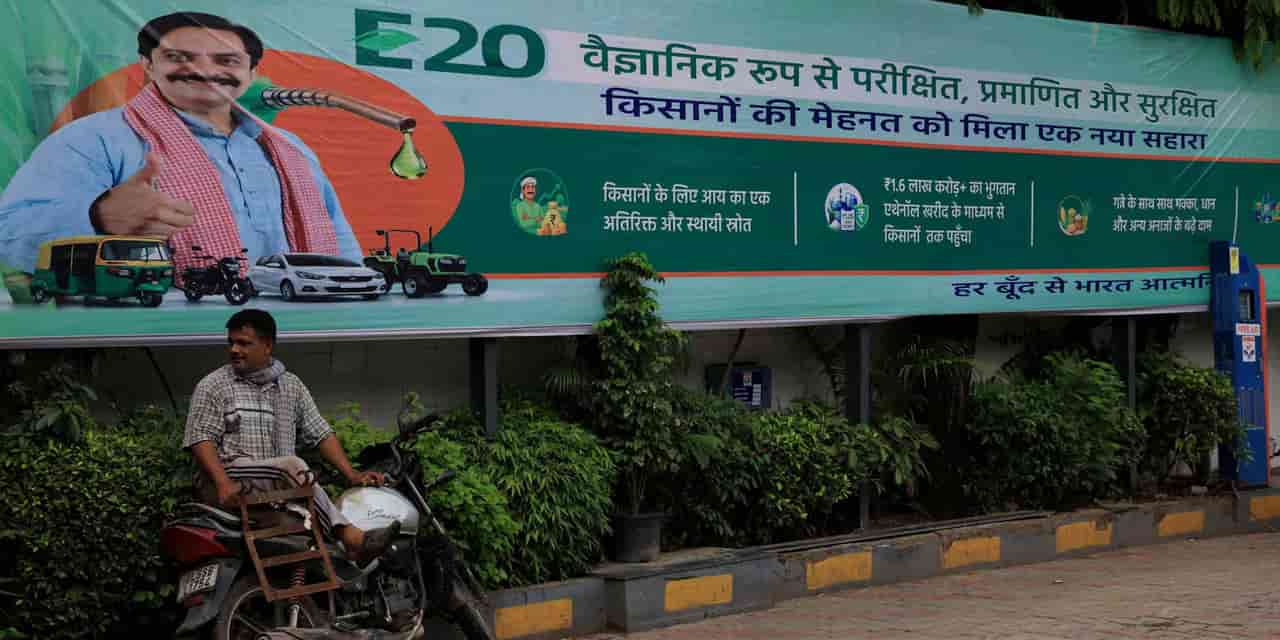
Key facts
- India is accelerating its transition to E20 ethanol-blended fuel.
- The goal of the E20 fuel push is to reduce oil imports and emissions.
- Scientists, analysts, and consumers are criticizing the E20 fuel policy.
- Concerns include reduced fuel efficiency with E20 blends.
- Potential damage to older vehicles is a significant worry.
- Limited availability of alternative fuel blends is also a concern.
India's accelerated adoption of E20 ethanol-blended fuel, a key initiative to reduce reliance on oil imports and curb emissions, is now under scrutiny. A growing chorus of scientists, analysts, and consumers are voicing concerns about the practical implications of this policy. A primary worry is the potential for reduced fuel efficiency, meaning vehicles may travel fewer miles per gallon of E20 blend compared to traditional fuels. Furthermore, there are significant apprehensions regarding the compatibility of older vehicles with the E20 blend. Many existing car models, particularly those not specifically designed or retrofitted for higher ethanol content, may suffer damage to fuel systems, including rubber and plastic components. The limited availability of alternative fuel blends, such as E10 or pure gasoline, exacerbates the situation for consumers who may not have access to E20 or wish to avoid its potential drawbacks. This lack of choice restricts options for drivers concerned about their vehicles' performance and lifespan. The program's success hinges on balancing environmental and economic goals with the real-world impact on the automotive sector and consumer wallets.