Key facts
- India has stopped importing oil from Iran.
- A 30-day US waiver that allowed India to import Iranian oil has expired.
- The Philippines is seeking a long-term oil supply agreement with Russia.
- Japanese companies expect prolonged higher prices and stripped-down packaging.
- Nearly half of Japanese firms believe supply chain normalization will take over six months.
- India received its first LNG tanker through the Strait of Hormuz since its reopening.
- India plans to expand its strategic petroleum reserves with a new site at Mangaluru.
- The estimated investment for India's new reserve site is $1.6 billion.
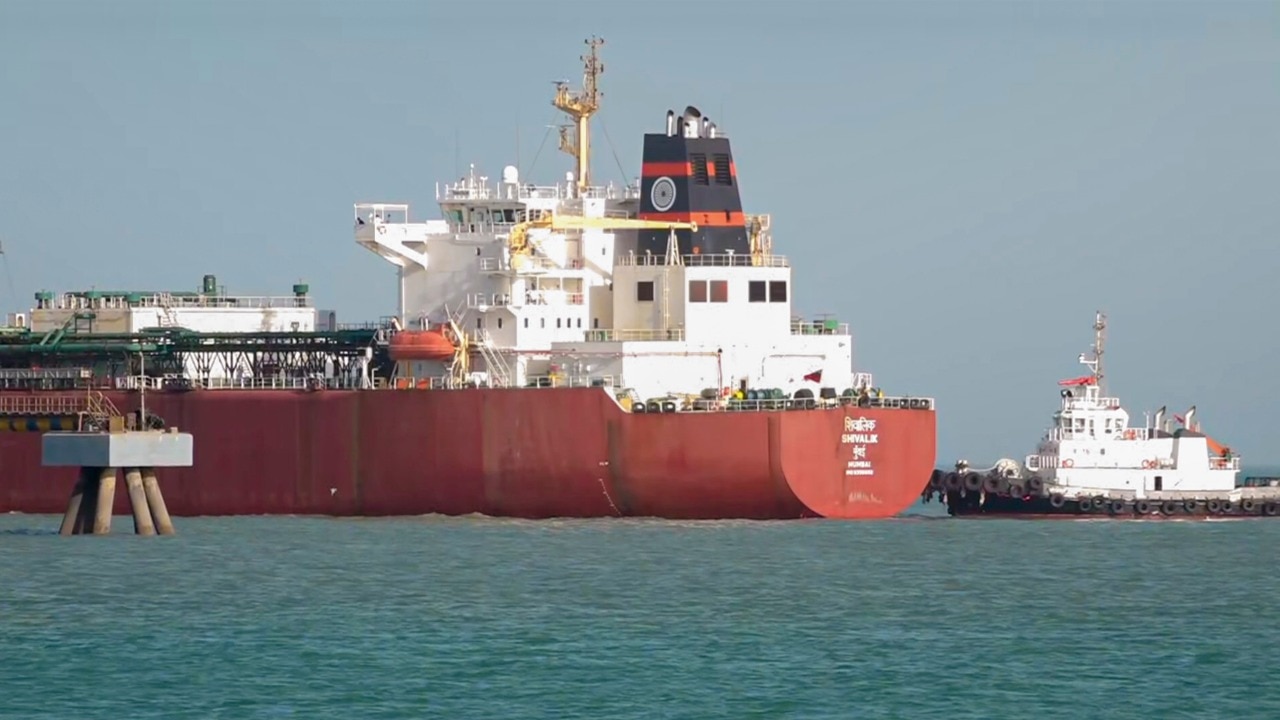
India has ceased importing oil from Iran following the expiration of a 30-day US waiver that had permitted such purchases amid heightened tensions in the Strait of Hormuz. This cessation compels India to return to its pre-waiver strategy, which could affect its trade deficit and overall energy security. The country has received its first LNG tanker through the Strait of Hormuz since its reopening, though refiners are holding off on Middle Eastern crude purchases due to adequate existing reserves.
In Japan, companies are preparing for a prolonged recovery and anticipate sustained higher prices and reduced product packaging in the wake of a US-Iran peace deal. Nearly half of Japanese firms surveyed believe it will take more than six months to return to pre-conflict supply chain norms. These companies cite deep-seated damage to supply chains and ongoing concerns about oil procurement as reasons for this outlook.
Meanwhile, the Philippines is actively pursuing a long-term oil supply agreement with Russia. This initiative is part of a broader effort to diversify the nation's energy sources amidst the current energy crisis. Concurrently, India is taking steps to bolster its energy security by planning a significant expansion of its strategic petroleum reserves. A new reserve site is slated for construction at Mangaluru, with an estimated investment of $1.6 billion, aimed at mitigating the impact of recent supply disruptions and price surges.
The situation highlights a global recalibration of energy strategies as nations navigate the aftermath of geopolitical events and seek to secure stable and affordable energy supplies.