Key facts
- Hydrogen combustion engines are emerging as a more affordable option compared to fuel cells.
- This development could drive wider adoption of hydrogen as a clean fuel.
- Fuel cells are generally more efficient but have a high cost barrier.
- Hydrogen combustion engines offer a lower-cost pathway to utilizing hydrogen.
- This technology could be viable for sectors where fuel cells are too expensive.
- Hydrogen combustion engines can be adapted from existing internal combustion engine technology.
- This requires less complex and costly modifications than fuel cell systems.
- Economic feasibility and adaptability are key drivers for their traction.
- Existing manufacturing infrastructure can be leveraged for their production.
- They could accelerate hydrogen deployment in cost-sensitive applications.
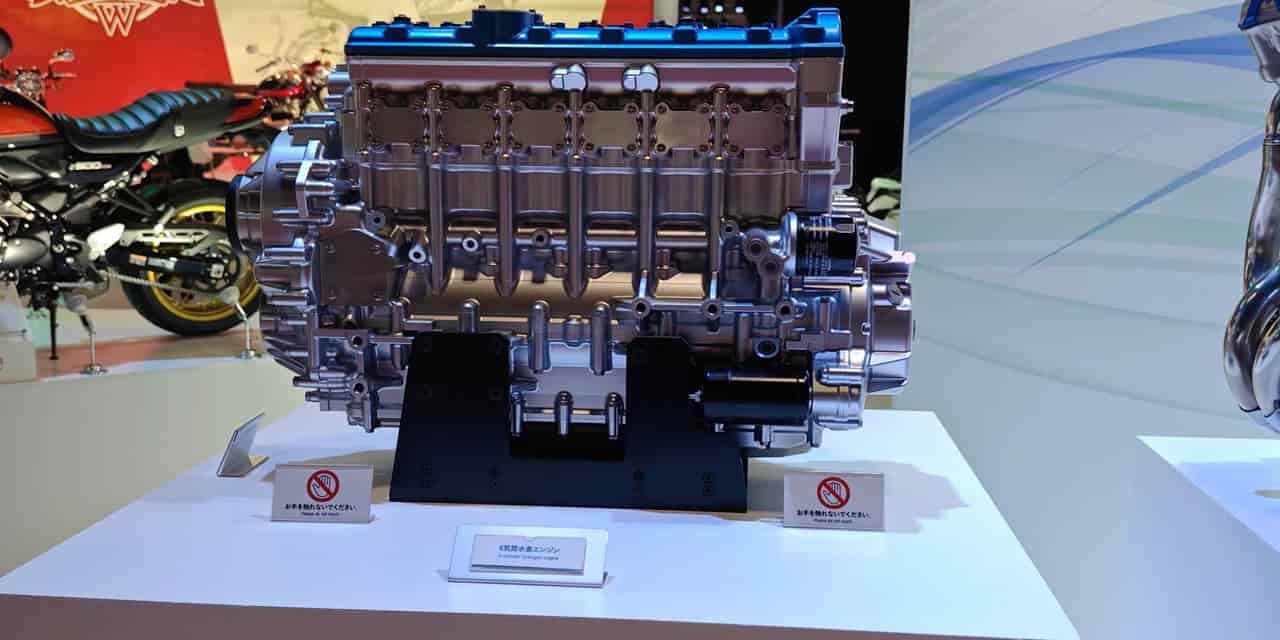
Hydrogen combustion engines are emerging as a more affordable alternative to hydrogen fuel cells, a development that could drive wider adoption of the clean fuel across various mobility devices. While fuel cells are generally more efficient, their high cost has been a significant barrier to widespread implementation. Hydrogen combustion engines offer a lower-cost pathway to utilizing hydrogen, potentially making it a viable option for sectors where fuel cell technology has been prohibitively expensive.
The development of hydrogen combustion engines presents a strategic advantage in the transition to cleaner energy sources. These engines can be adapted from existing internal combustion engine technology, requiring less complex and costly modifications compared to fuel cell systems. This makes them an attractive option for manufacturers looking for a more accessible entry point into hydrogen-powered mobility.