4 storiesCommodities & EnergyCrude oil prices: WTI & BrentNatural gas prices: Henry Hub (US) & TTF (Europe)Global food inflation
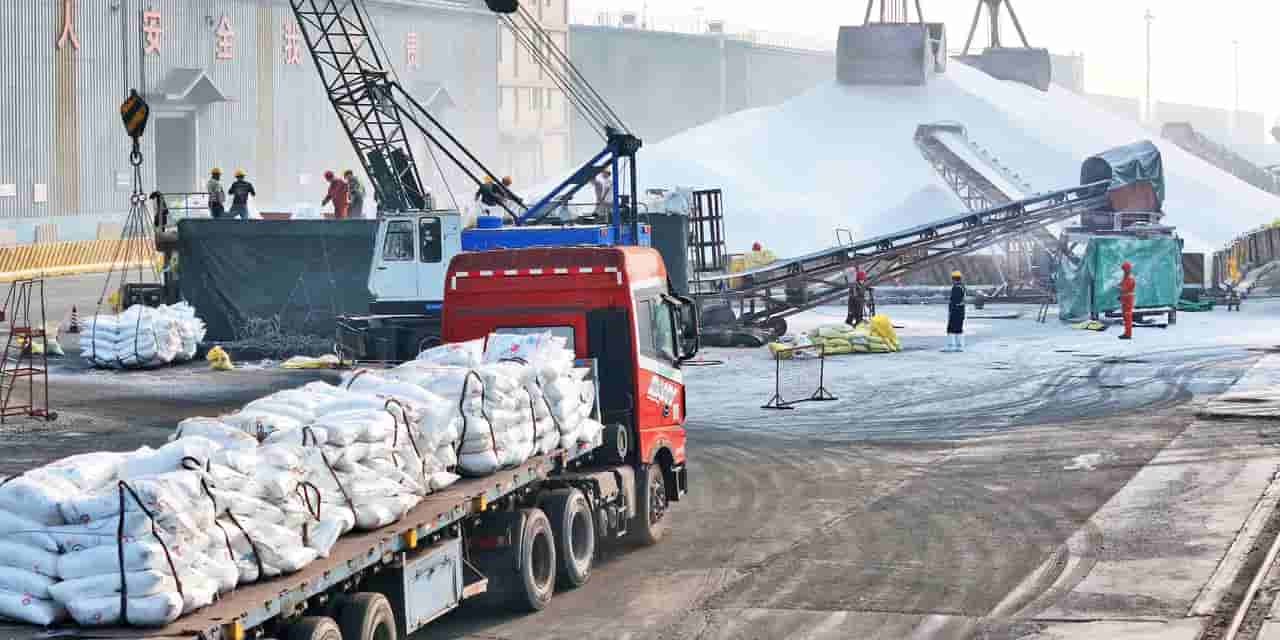
Fertilizer prices fall on slow demand, Chinese exports and Iran conflict
IN SHORT
Fertilizer prices are falling due to decreased demand, increased Chinese exports, and the Middle East conflict, though market volatility is expected to continue. In related news, oil prices have stabilized as a U.S. sanctions waiver on Iranian oil is unlikely to boost demand from well-stocked Asian refiners, with independent Chinese refineries anticipated as the main buyers. Meanwhile, Middle East EDC output remains low amid vessel congestion and weak downstream prices, despite a recent Iran ceasefire. However, three Saudi Arabian DAP/MAP cargoes totaling 154,000 tons have successfully transited the Strait of Hormuz following a de-escalation of tensions, marking the first phosphate shipments through the vital waterway since early May.
Key Numbers
154,000ttotal weight of Saudi DAP/MAP cargoes
Who's Involved
China
country with increased fertilizer exports and independent refineries
Iran
country involved in Middle East conflict and subject to U.S. sanctions waivers
Saudi Arabia
country whose DAP/MAP cargoes transited the Strait of Hormuz
United States
country imposing sanctions and involved in de-escalation with Iran
Fujairah
location anticipating the return of Iranian HSFO
Middle East
region experiencing conflict and low EDC output
Asian refiners
buyers unlikely to significantly boost demand from Iranian oil waivers
Strait of Hormuz
maritime chokepoint for cargo transit
1 / 2