Key facts
- Fertilizer and LNG shipments face weeks to months of delays.
- Delays are due to safety concerns and a backlog of ships.
- Qatar aims to restore 80% of LNG export capacity within two months.
- QatarEnergy is ready to restart LNG production at Ras Laffan.
- Securing shipping vessels is the primary bottleneck for Qatar's LNG operations.
- The International Energy Agency calls the unconditional opening of Hormuz vital to ending the energy crisis.
- India is increasing its focus on biofertilizers.
- India's focus on biofertilizers is driven by fears of chemical fertilizer supply disruptions.
- The Middle East conflict has strained shipping routes.
- Concerns exist about the availability of diammonium phosphate.
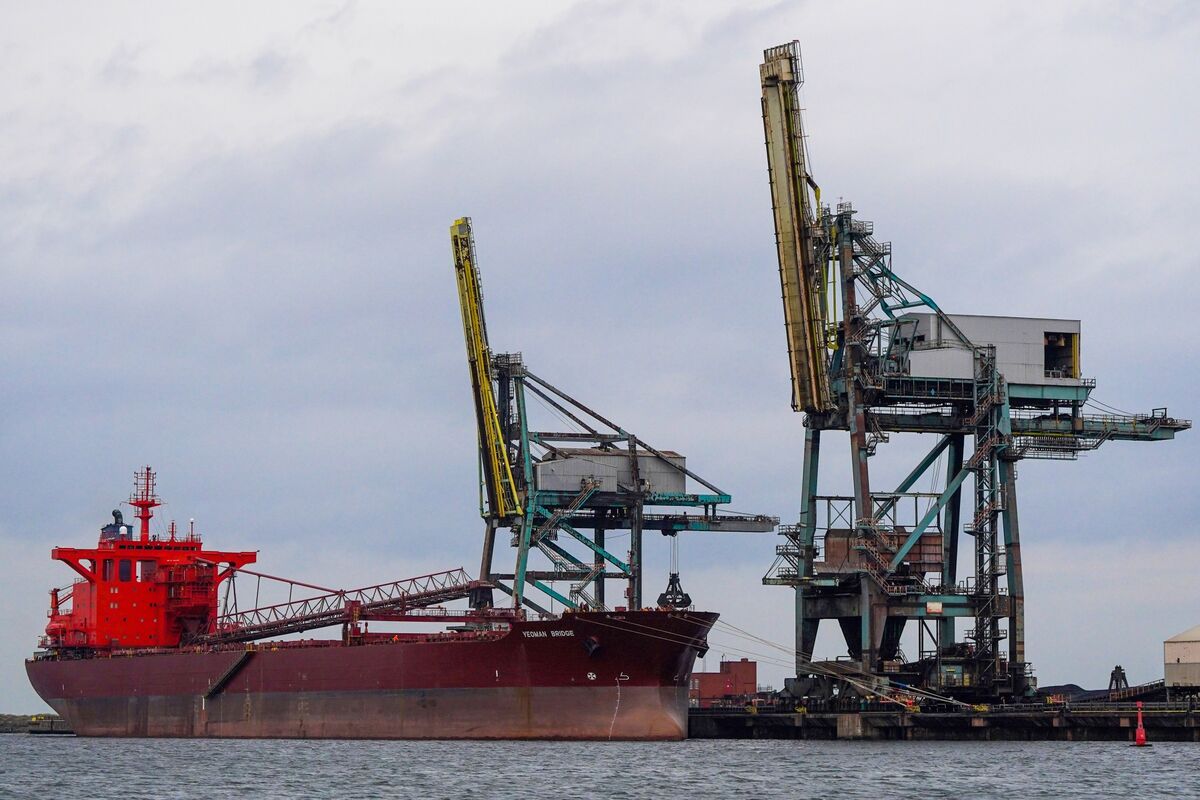
The global energy crisis and supply chain disruptions persist despite a tentative deal to reopen the Strait of Hormuz, with fertilizer and Liquefied Natural Gas (LNG) shipments facing weeks to months of delays. These delays are attributed to lingering safety concerns and a considerable backlog of ships awaiting passage. Qatar is actively working to restore its LNG export capacity, aiming to reach 80% within two months. QatarEnergy has indicated readiness to restart LNG production at its Ras Laffan facility, with a goal of achieving full capacity within a month. However, the primary obstacle to resuming operations is the challenge of securing adequate shipping vessels.