Key facts
- A commercial tanker was struck by a drone in the Strait of Hormuz.
- Iran asserted control over the Strait of Hormuz.
- Brent crude oil prices extended their weekly gain past 5%.
- The U.S. threatened an indefinite naval blockade of Iran.
- Tanker traffic through the Strait of Hormuz has decreased significantly.
- Iraq's average daily oil exports reached 2 million barrels per day since August.
- Iraq's oil exports are at their highest rate since the conflict between Iran and the United States began.
- China's electric truck exports to Asia have surged.
- Oil tankers are switching off transponders for extended periods to avoid detection.
- The Strait of Hormuz and Bab el-Mandeb Strait are affected by transponder blackouts.
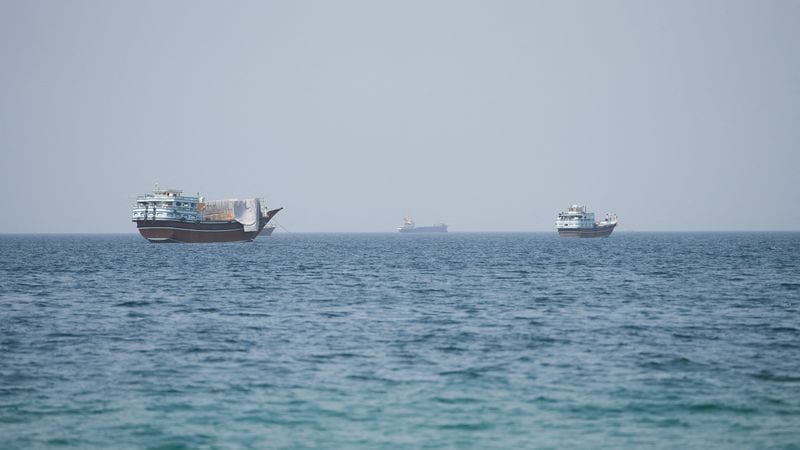
Oil prices are on track for weekly gains, with Brent crude nearing $88 per barrel, following a drone strike on a commercial tanker in the Strait of Hormuz and a U.S. threat of an indefinite naval blockade of Iran. These developments have heightened concerns about potential disruptions to crude oil supplies from the Middle East. Tanker traffic through the Strait of Hormuz has significantly decreased amid these rising regional shipping risks. In response, oil tankers operating in the Middle East are increasingly switching off their transponders for extended periods, sometimes up to a week or more, to avoid detection while transiting the Strait of Hormuz and Bab el-Mandeb Strait. This practice complicates the tracking of oil flows and potential targets.
Despite the ongoing conflict and the choked Strait of Hormuz, Iraq's average daily oil exports since the start of August have reached 2 million barrels per day, marking the highest rate since the conflict between Iran and the United States began. Separately, China's electric truck exports to Asia have surged following the Iran war, driven by escalating fuel costs. Countries in South and Southeast Asia are increasingly adopting Chinese e-trucks as a strategy to reduce diesel consumption and emissions, with significant future growth projected for this sector.
The geopolitical tensions and associated supply concerns are overshadowing bearish demand outlooks and inventory data, pushing oil prices upward. The U.S. threat of an indefinite naval blockade of Iran, coupled with stalled diplomatic talks, contributes to the uncertainty surrounding Middle East crude supplies. The practice of tankers going dark for extended periods further obfuscates the real-time monitoring of oil shipments in the region.