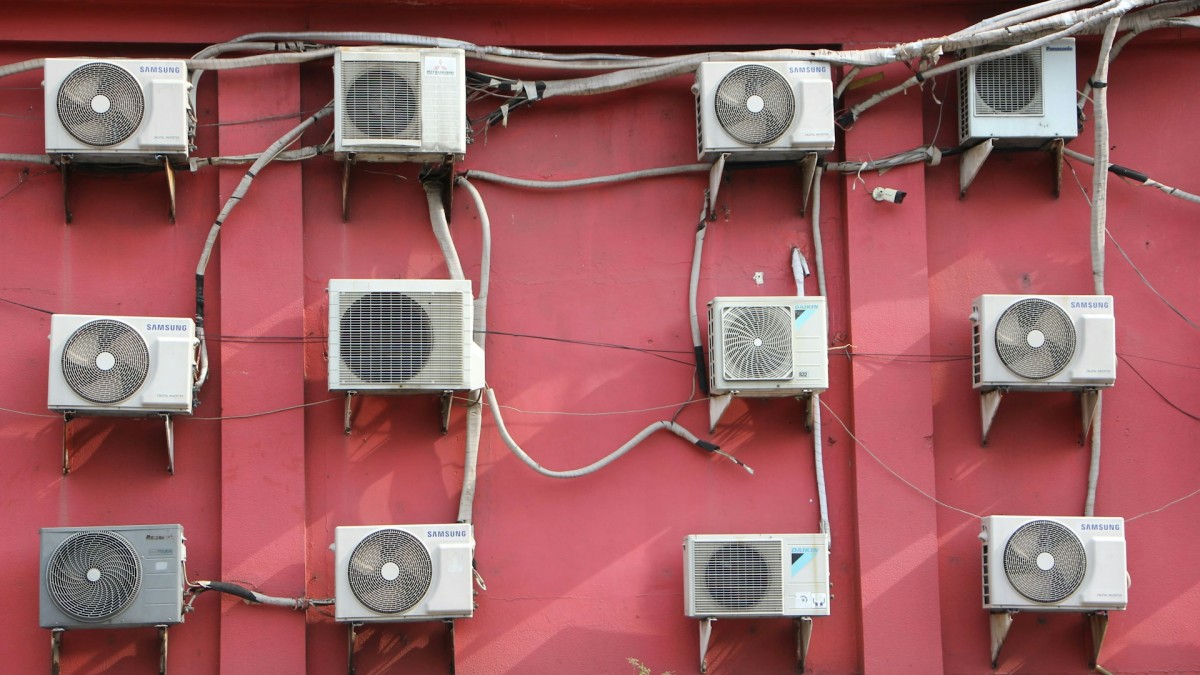
Key facts
- Emissions from refrigeration and AC are projected to triple by 2050.
- Rising global temperatures and intensifying heat waves are driving the demand for cooling.
- Air conditioning contributes significantly to greenhouse gas emissions.
- The growing demand for AC raises concerns about exacerbating climate change.
- Poorer nations may face inequities in accessing cooling technologies.
Emissions from air conditioning and refrigeration are set to triple by the year 2050, according to projections that highlight the growing impact of cooling technologies on climate change. As global temperatures continue to rise and heat waves become more frequent and intense, the demand for air conditioning is expected to surge. This increased reliance on AC, while crucial for human comfort and safety during extreme heat events, also presents a significant challenge in the fight against climate change due to the associated greenhouse gas emissions.
The escalating need for cooling solutions, especially in developing countries, is a key factor driving this projected increase in emissions. While air conditioning can save lives by mitigating the health risks associated with heat stress, its widespread adoption raises concerns about exacerbating global warming. Furthermore, the growing demand for these technologies could create significant inequities, as poorer nations may face greater difficulties in affording, installing, and maintaining the necessary cooling infrastructure.