Key facts
- Record sargassum seaweed masses are inundating Caribbean coastlines.
- Efforts include intercepting seaweed at sea with boats and barriers.
- Developing biofuel and other commercial products from the algae is part of the response.
- Exploring carbon credit projects is also being considered.
- Ecological concerns regarding the sargassum blooms persist.
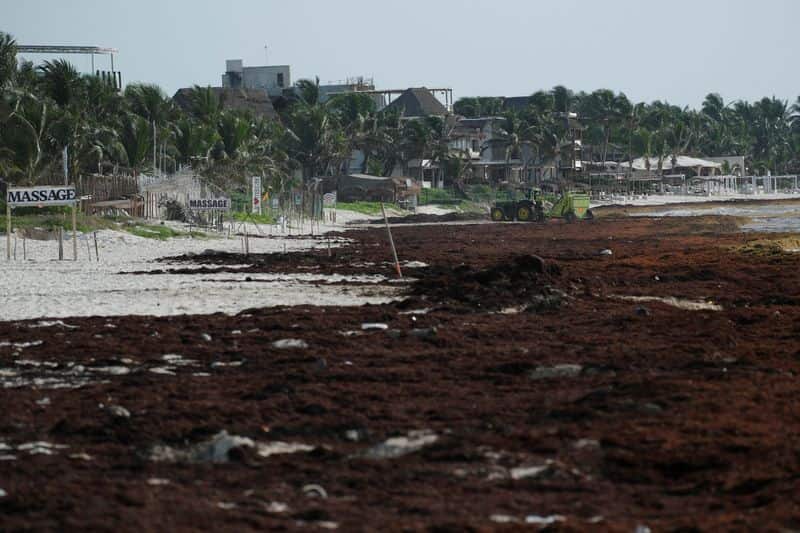
Caribbean coastlines are currently facing a severe inundation of sargassum seaweed, with record masses impacting the region and prompting a comprehensive response from affected nations. The sheer volume of the seaweed presents a significant challenge, affecting tourism, local economies, and marine ecosystems. To combat this, a multi-pronged strategy is being implemented across the Caribbean.
Key efforts include intercepting the sargassum at sea before it reaches the shore. This is being achieved through the deployment of specialized boats and floating barriers designed to collect the vast mats of algae. Beyond collection, there is a growing focus on developing commercial applications for the sargassum. This includes research and development into producing biofuel from the seaweed, as well as exploring other potential commercial products that could create economic value from the otherwise problematic biomass. Furthermore, some initiatives are investigating the possibility of leveraging sargassum for carbon credit projects, aiming to generate revenue while potentially addressing climate-related aspects of the phenomenon.
Despite these innovative approaches and mitigation efforts, significant ecological concerns remain. The long-term impacts of these massive sargassum blooms on marine biodiversity, coastal habitats, and the overall health of the Caribbean Sea are still not fully understood. Scientists and environmentalists are closely monitoring the situation to assess the effectiveness of the current strategies and to identify any unintended consequences.