Key facts
- Global airlines are projected to lose $100 billion due to an energy shock from Iran.
- Jet fuel costs are increasing due to the Iran energy shock.
- Container shipping rates on the Asia-to-US route have jumped 109% since the start of the Iran war.
- Higher fuel costs, port congestion in Asia, and increased demand are contributing to shipping rate increases.
- The war in Iran is increasing jet fuel prices and supply strains for African airlines.
- African airlines depend on imported refined jet fuel.
- Escalating jet fuel prices may trigger airline failures and consolidation.
- Spirit Airlines' recent collapse is cited as an example of airline vulnerability.
- Air New Zealand expects high fuel costs through its 2027 financial year.
- Air New Zealand projects jet fuel prices around $150 per barrel.
- Air New Zealand has hedged 25% to 40% of its increased fuel expenses.
Global airlines are bracing for a substantial financial impact, with projections indicating a $100 billion loss due to an energy shock stemming from Iran. This shock is driving up jet fuel costs, which are expected to squeeze airline profits even as revenues and passenger traffic show signs of growth. The conflict in Iran is a significant factor contributing to these rising fuel prices.
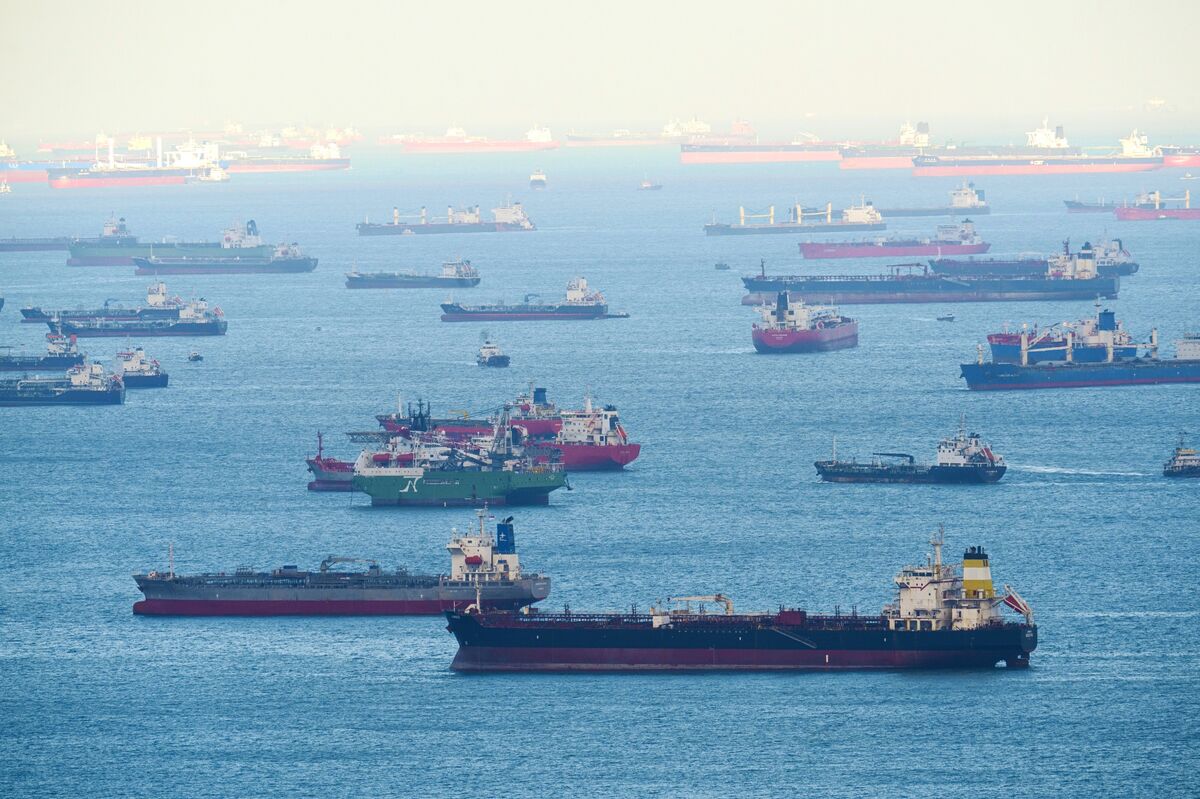
Beyond the airline industry, the repercussions are felt in other sectors. Container shipping rates on the crucial Asia-to-US route have seen a dramatic surge of 109% since the commencement of the Iran war. This increase is attributed to a combination of higher fuel costs, ongoing port congestion in Asia, and a rise in demand as the peak shipping season approaches. African airlines are also experiencing significant strain, with the war in Iran increasing jet fuel prices and creating supply challenges, according to the African Airlines Association (AFRAA). This situation underscores the continent's reliance on imported refined jet fuel, negatively impacting airlines' already thin profit margins and necessitating adjustments to flight routes.
Willie Walsh, IATA Director General, has warned that these escalating jet fuel prices, influenced by the Middle East conflict, could precipitate airline bankruptcies and industry consolidation. Budget carriers are identified as being especially susceptible to these pressures, with the recent collapse of Spirit Airlines cited as a clear example of this vulnerability. Air New Zealand is also preparing for a prolonged period of elevated fuel expenses, forecasting that high jet fuel prices will continue through its 2027 financial year. The airline anticipates prices could hover around $150 per barrel and has hedged only a portion, between 25% and 40%, of these projected increased costs.