Key facts
- Vietnam is accelerating the nationwide rollout of E10 gasoline, potentially from April 2026.
- The initiative aims to reduce fossil fuel consumption by 10% and decrease reliance on imports.
- Global energy uncertainties, including the Middle East oil crisis and U.S. trade pressures, have increased the urgency.
- Lower taxes on biofuels may contribute to easing fuel prices.
- Vietnam currently imports 70% of its fuel demand.
- Major companies like Petrolimex and Binh Son Refining and Petrochemical are stepping up biofuel production and distribution.
Vietnam is accelerating its push to increase the use of transport biofuels, particularly E10 gasoline, driven by rising global oil risks and concerns over energy security. The government is considering bringing forward the nationwide rollout of E10 to April 2026, ahead of the previously scheduled June 1, 2026, deadline. This accelerated transition aims to reduce fossil gasoline consumption by 10% and lessen the country's significant reliance on imported fuels, which currently account for 70% of its demand.
Prime Minister Pham Minh Chinh has directed ministries to strengthen energy-saving measures and accelerate the energy transition, with the Ministry of Industry and Trade tasked with advancing biofuel adoption. The move is seen as strategically important, not only for energy security but also for creating stable demand for agricultural products and reducing environmental pollution. Lower environmental protection and excise taxes on biofuels are also expected to help ease fuel prices for consumers.
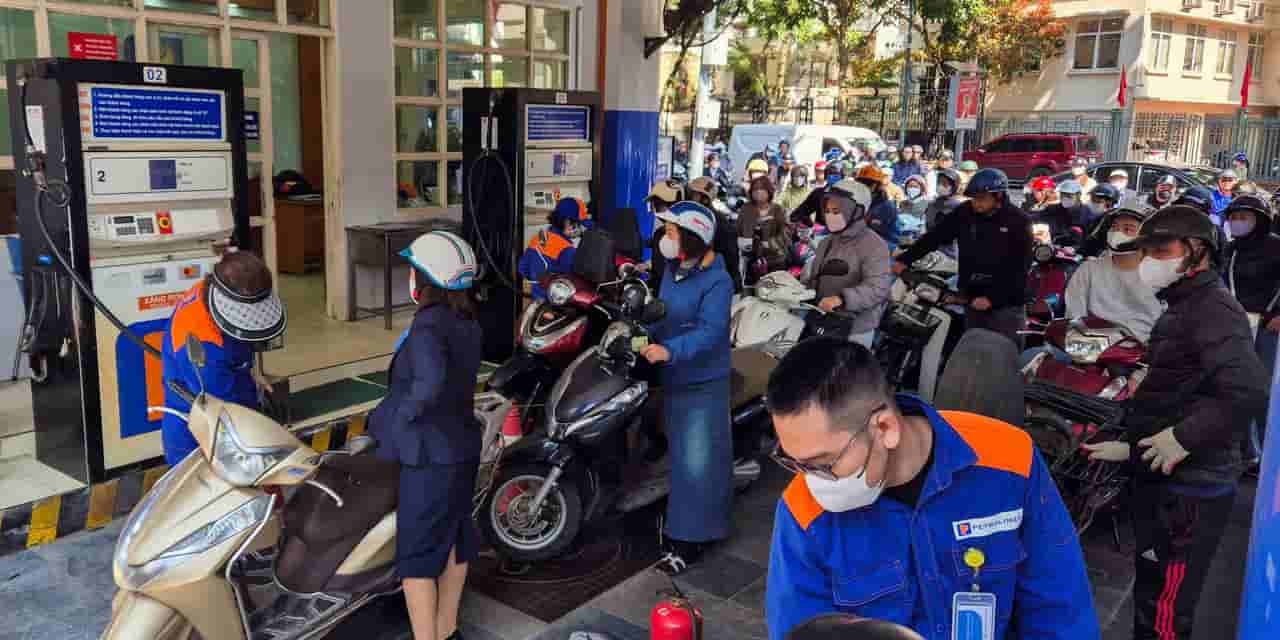
Major petroleum companies are preparing for the transition. Vietnam National Petroleum Group (Petrolimex) has been piloting E5 and E10 gasoline sales and has the infrastructure in place to distribute E10 nationwide. Binh Son Refining and Petrochemical (BSR), operator of the Dung Quat refinery, is also preparing to blend ethanol into gasoline. The Central Biofuels Plant has begun operations and is supplying ethanol for blending.
Officials, including Deputy Minister of Industry and Trade Nguyen Sinh Nhat Tan, have emphasized that accelerating biofuel adoption can help ease pressure on crude oil imports, which are vulnerable to global instability and conflict, particularly in the Middle East. While the roadmap is in place, some drivers have reportedly questioned the impact and practicality of the E10 blend.