Key facts
- Record U.S. crude oil and natural gas production has helped mitigate global supply shocks caused by the closure of the Strait of Hormuz.
Record U.S. crude oil and natural gas production, alongside rising LNG exports, have helped mitigate global supply shocks following the closure of the Strait of Hormuz. However, this role comes at the cost of depleted U.S. inventories and tighter domestic markets.
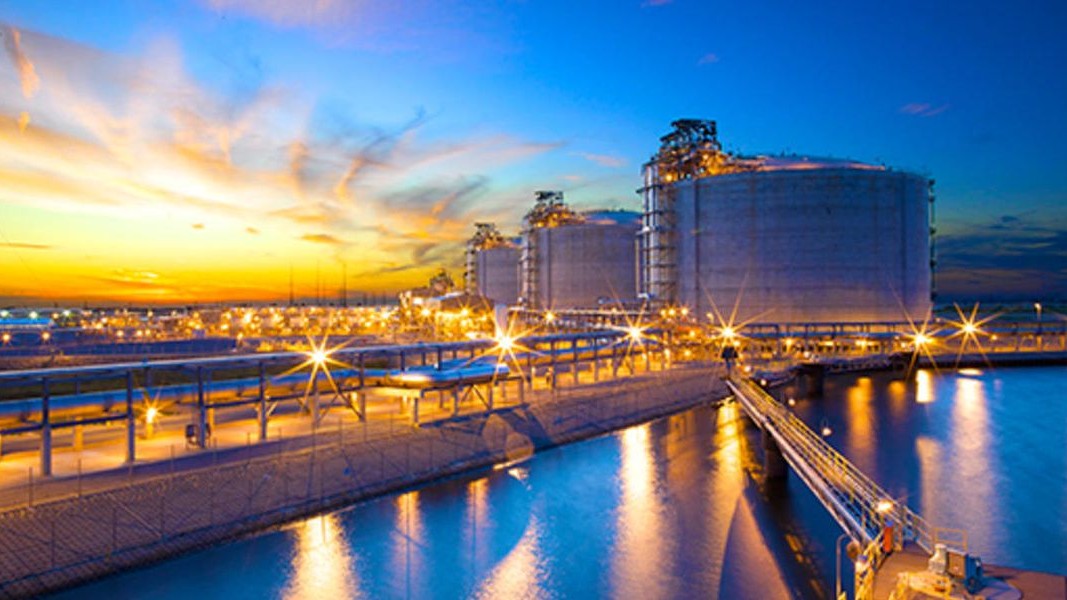
The U.S. role as a major energy producer and exporter is critical for global energy security, influencing international prices and supply stability, particularly during geopolitical crises. However, increased exports strain domestic inventories and can lead to higher consumer prices within the U.S.
The U.S. energy sector has played a crucial role in absorbing the impact of lost oil and liquefied natural gas (LNG) supplies following the closure of the Strait of Hormuz, according to an analysis by the American Petroleum Institute (API).
Decades of consistent investment, totaling approximately $150 billion annually in upstream production alone since the shale revolution, have bolstered U.S. oil and gas output. This has allowed the United States to serve as a critical supplier, preventing a more severe global energy crisis. However, this increased export activity has led to a drawdown in domestic inventories, with middle distillate stocks now 12% below the five-year average.
Refiners are operating at high utilization rates, and the domestic market is consequently tighter. This has contributed to higher gasoline prices, now averaging $4 per gallon, a significant increase from pre-conflict levels. The API highlighted that sustained investment in supply and infrastructure is essential for maintaining energy security and resilience against future disruptions.
The ongoing geopolitical uncertainty in the Middle East underscores the importance of continued domestic energy development to cushion global markets, though the U.S. system can only offset a portion of the Middle Eastern supply shortfall.