Key facts
- A significant tungsten discovery was made in the Great Basin Desert, Nevada.
- NASA is opposing the development due to the area's use for satellite signal tracking.
- The discovery is estimated at 1.78 million tons, potentially five times larger than other U.S. deposits.
- 3 Proton Lithium estimates the discovery's value at $152 billion due to high tungsten prices.
- China controls 80% of the global tungsten market.
The United States faces a setback in its pursuit of critical mineral security with the opposition from NASA to a significant tungsten discovery in Nevada. Tungsten, essential for electronics, defense, and aviation, is a metal the U.S. currently imports, with China dominating the global market.
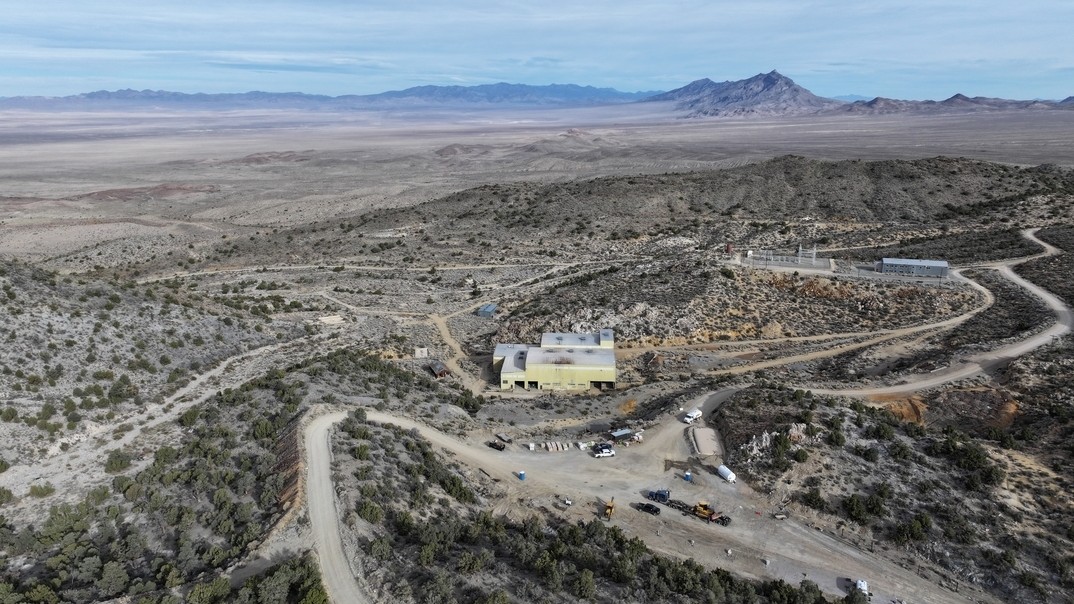
3 Proton Lithium announced the discovery in a remote part of the Great Basin Desert. However, NASA has raised objections, stating that the area is crucial for tracking satellite signals and that mining operations would compromise this function. The agency has previously blocked drilling in similar locations.
Kevin Moore, CEO of 3 Proton Lithium, emphasized the discovery's national security importance, noting that the U.S. has struggled to secure domestic supplies of critical elements. The Nevada deposit is estimated at 1.78 million tons, potentially five times larger than any other U.S. tungsten deposit, and is valued at $152 billion due to soaring prices. This price rally is attributed to export limits imposed by China and increased demand for military applications amid ongoing global conflicts.
For years, the U.S. has been actively seeking to build alternative critical mineral supply chains, spending approximately $46 billion to reduce its heavy reliance on China. While the U.S. aims to be a partner in developing new sources, it also competes with allies for these vital resources. The commercial viability of the Nevada tungsten discovery remains to be proven, but its potential significance for domestic supply is considerable.
China's control over 80% of the global tungsten market, coupled with its export curbs and rising demand, has led to a dramatic price increase. The development of a new mine takes time, but securing long-term critical mineral supply, especially for national security, begins with domestic resources.