Key facts
- Unions at BHP's Port Hedland operations plan to strike on August 8 and 9.
- The strike is over unresolved wage and condition negotiations.
- BHP has offered a 16% pay raise over four years, which unions deem insufficient.
- Around 150 workers are expected to participate in the industrial action.
- The strike threatens to disrupt exports from the world's largest iron ore port.
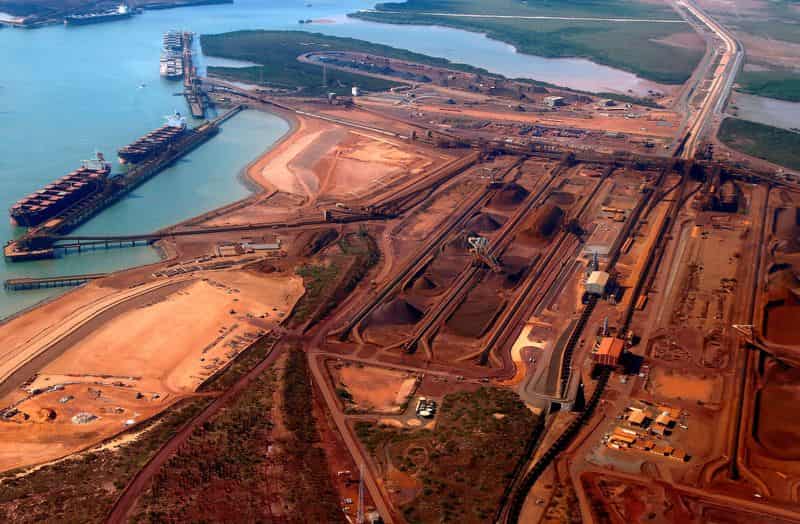
Workers at BHP Group's Port Hedland iron-ore operations in Western Australia are planning to strike on August 8 and 9 due to a failure to reach an agreement on a new enterprise agreement. The industrial action, involving around 150 workers, threatens to disrupt exports from the world's largest iron ore port, which handles approximately $80 million of daily shipments.
Unions, represented by the Combined BHP Ports Unions, have been in negotiations with BHP for over seven months. While BHP has offered a 16% pay raise over four years, unions have described the offer as "undercooked" and are seeking stronger protections for wages and working conditions. Tensions escalated when BHP applied to the Fair Work Commission for assistance, a move unions criticized as a delay tactic. A recent bargaining meeting involving the commission concluded without an agreement.
Despite the ongoing dispute, BHP recently reported record annual iron-ore production. The company stated it has plans in place to ensure operations can safely continue during the strike and expressed disappointment over the potential disruptions. Analysts suggest that while short-term stoppages might be manageable for BHP, prolonged or widespread industrial action could eventually impact the iron ore market.