Key facts
- Anglian Water has imposed a hosepipe ban on over five million customers in the East of England, effective Saturday.
- Cambridge Water has also introduced a temporary hosepipe ban for its 350,000 customers.
- Irish Water has extended its nationwide hosepipe ban until August 31 due to critically low water supply levels.
- Over 300 individuals have been reported for breaching the hosepipe ban in Ireland.
- The UK has experienced its eighth day at or above 34C this year, surpassing previous records.
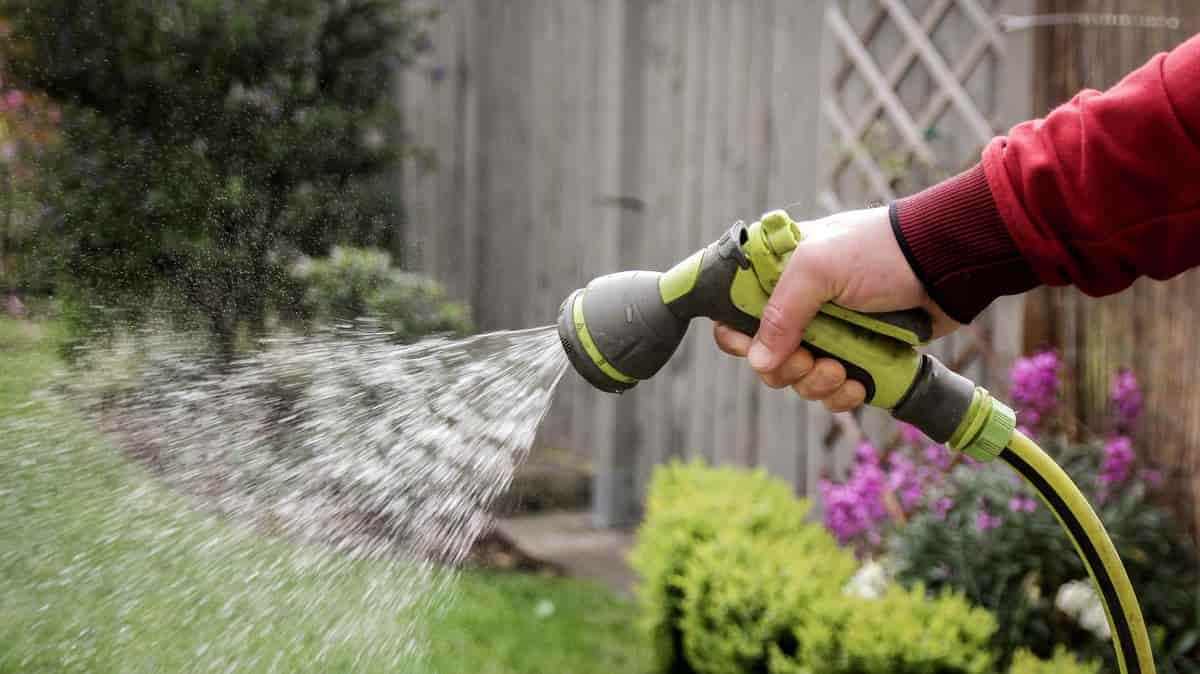
Millions more people in the UK are now subject to hosepipe bans as water companies grapple with declining river levels and increasingly likely drought conditions amid a prolonged heatwave. Anglian Water announced on Friday that its more than five million customers in the East of England would be banned from using hosepipes for watering gardens, washing cars, or filling pools starting Saturday.
Cambridge Water also introduced a temporary ban for its 350,000 customers, marking the first time in three decades the company has implemented such a restriction. Local water resources are under significant pressure, with demand reaching record levels after low rainfall. South East Water had previously introduced restrictions for areas of Kent, and Southern Water is set to implement similar measures for about one million customers across Hampshire and the Isle of Wight.
In Ireland, Irish Water has extended a nationwide hosepipe ban until August 31 due to critically low water supply levels. The utility revealed that over 300 people have been reported for breaching the ban since early July. Nighttime water restrictions in the greater Dublin region are also to remain in place for another fortnight. Despite heavy rainfall forecasts, officials state that short bursts of rain will not be sufficient to address low reservoir, river, and lake levels, with two to four weeks of sustained rainfall needed.
The UK has also recorded its eighth day at or above 34C this year, breaking the previous record of seven days set in 1976 and 2020. Officials are closely monitoring regions like East Anglia, Devon, and Cornwall for potential drought conditions.