Key facts
- Danube River water levels in Romania reached their lowest point since 1996.
- The reduced water flow has led to irrigation restrictions for farmers.
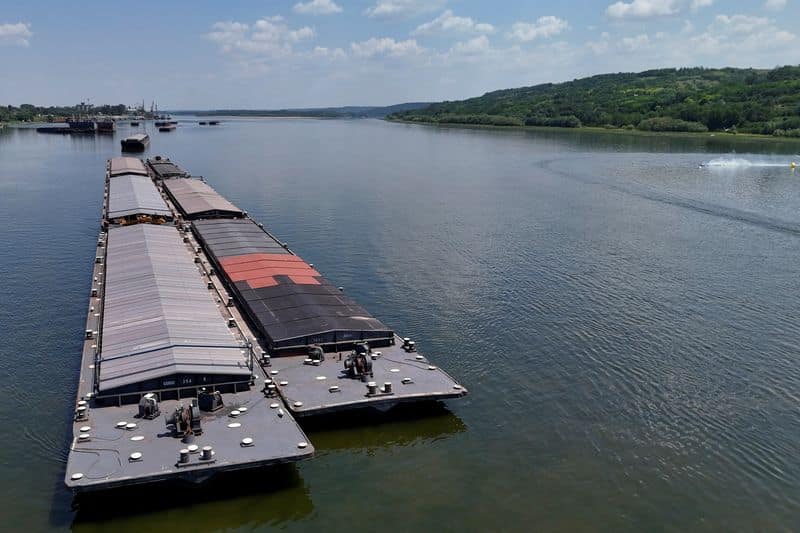
- Shipping and tourism along the river have been partially disrupted.
- Grain barges were idle, and ferry services were suspended.
- Water levels were managed to ensure cooling for the country's nuclear power reactors.
Water levels on the Danube River in Romania have dropped to their lowest point in 30 years, impacting critical sectors like agriculture and shipping. The severe reduction, attributed to prolonged heatwaves and drought across Europe, saw water flow at Romania's entry point plummet to 1,700 cubic metres per second on Sunday, a stark contrast to the July average of 4,700 cubic metres per second.
The consequences have been immediate and widespread. Farmers in southeastern Romania are facing restricted access to water for crop irrigation, while shipping operations have been hampered, with ferry services suspended and grain barges left idle. The situation also necessitates careful management of water reservoirs to ensure sufficient levels for cooling the two reactors at the state-owned Nuclearelectrica nuclear power plant.
Across Europe, similar conditions have affected waterways due to persistent high temperatures. Forecasts indicated that Monday's average peak temperature in Western Europe would be 2.7 degrees Celsius above the normal high for July 20. Despite the current low levels, Romanian authorities anticipate a gradual increase in the Danube's water flow starting Monday, thanks to expected rainfall in several counties.