Key facts
- The Trans Mountain pipeline has reached its expanded capacity of 890,000 barrels per day.
- Demand for the pipeline's capacity has exceeded its availability.
- Asian demand, particularly from China, is a key driver of increased oil needs.
The Trans Mountain pipeline has reached its expanded capacity of 890,000 barrels per day for the first time, driven by strong demand from Asia, particularly China. The pipeline's success has prompted discussions about further capacity increases.
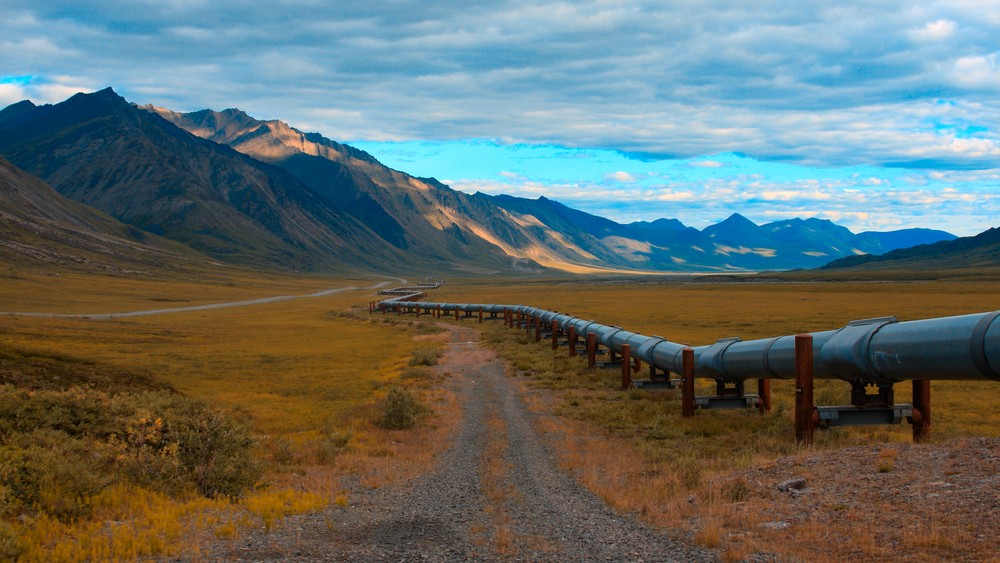
The full utilization of the Trans Mountain pipeline signifies a critical step in Canada's oil export capacity, directly impacting global supply dynamics and potentially influencing oil prices, especially given the heightened demand from Asia and supply concerns stemming from Middle East tensions.
The Trans Mountain pipeline has achieved full operational capacity for the first time since its expansion was completed, with its total carrying capability now at 890,000 barrels per day. This milestone reflects a surge in demand, particularly from Asian markets, with China emerging as the largest buyer of Canadian crude.
The pipeline's success has led to projections that further capacity increases will be necessary soon. The ongoing conflict in the Middle East has intensified the demand for Canadian crude, as Asian nations, major clients for both Middle Eastern and Canadian suppliers, face supply disruptions.
In response to the strong interest, Trans Mountain Corp. announced plans in late May for another open season to secure takers for an additional 72,000 barrels daily. The company's CEO, Mark Maki, also noted that using anti-drag agents would add another 90,000 barrels daily in capacity. Maki has previously suggested that the pipeline could reach a total capacity of 1.2 million barrels daily by 2029.
Meanwhile, Alberta is pursuing plans for a second crude pipeline to the British Columbia coast, which would add another 1 million barrels daily in capacity, though this project faces significant environmental opposition.