HomeEverythingEducationTV
Equities & FundsCrypto & Digital AssetsAI & TechnologyBusiness & CorporateUS Politics & PolicyGeopolitics & Global RiskMacro, Rates & FXCommodities & EnergyEuropean Politics & MarketsAsia-PacificReal Estate & Property
Story archiveAll categories
← All Stories

Tanker Traffic in Strait of Hormuz Hits 5-Week Low Amid U.S.-Iran Tensions

Created at 13 Jul · 10:41 AM4 sources↑ Market-relevant2 events
IN SHORT

Tanker traffic through the Strait of Hormuz has fallen to a five-week low following U.S. strikes against Iran and Iranian retaliation, including claims of stopping two ships. Vessels are increasingly switching off tracking transponders due to safety concerns.

✉Newsletter

PiQ Daily

Pick your topics. Get only what matters, on your cadence.

Key Numbers

two monthslowest tanker traffic in
May 25lowest level since
sixsmall boats approaching tanker
twoships stopped by Iran's navy
threepairs of tankers in ship-to-ship transfers

Who's Involved

Kpler
provided analysis on tanker traffic data
U.S. Navy-led Joint Maritime Information Center (JMIC)
reported on commercial traffic and vessel incidents
U.S. President Donald Trump
stated Strait of Hormuz is open to commercial traffic
Iran's Revolutionary Guards
claimed to have stopped two ships in the Strait of Hormuz
Gibson
ship broker that issued a report on supply risks
Tanker Traffic in Strait of Hormuz Hits 5-Week Low Amid U.S.-Iran Tensions

↳ Why This Matters

The Strait of Hormuz is a critical chokepoint for global oil and LNG transport, and reduced traffic raises concerns about supply disruptions and potential price increases.

Key facts

  • Tanker traffic in the Strait of Hormuz has fallen to a two-month low, the lowest level since May 25.
  • Vessels are increasingly switching off their public AIS tracking transponders.
  • Commercial traffic through the Strait of Hormuz continued at reduced levels.
  • At least three pairs of tankers were involved in ship-to-ship transfers off Oman's coast.
  • U.S. forces conducted strikes against Iran on Sunday.
  • Iran's Revolutionary Guards claimed their navy stopped two ships in the Strait of Hormuz.

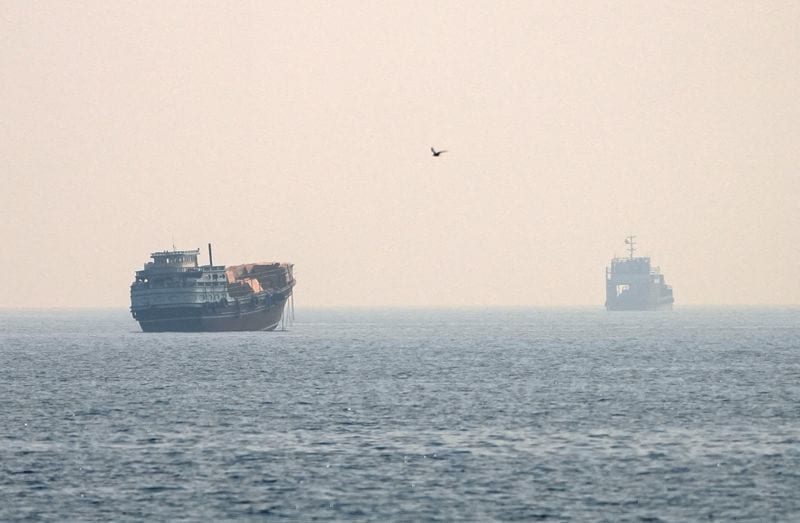
Tanker traffic through the Strait of Hormuz has fallen to a two-month low, the lowest level since May 25, amid heightened safety concerns due to renewed strikes between the U.S. and Iran and attacks on vessels. Shipping industry sources indicated that vessels are increasingly switching off their public AIS tracking transponders, making it difficult to determine the full number of ships crossing the waterway. Based on available data, oil and gas tanker traffic saw a significant decrease. Ship broker Gibson warned that a prolonged closure of Hormuz could lead to much tighter supply and higher prices. Commercial traffic through the Strait continued at reduced levels, reflecting operator caution following recent attacks. At least three pairs of tankers were observed engaged in ship-to-ship transfers outside of Hormuz off Oman's coast, a practice that has enabled faster deliveries of oil onto waiting ships that do not need to sail through the strait. U.S. forces conducted strikes against Iran on Sunday, hitting dozens of targets. U.S. President Donald Trump stated that the Strait of Hormuz is open to commercial traffic, while Iran's Revolutionary Guards claimed their navy stopped two ships in the Strait of Hormuz overnight by shutting down their systems. A container ship sustained damage from an unknown projectile, causing a fire in the engine room.

Frequently asked questions

The Strait of Hormuz is a vital chokepoint connecting the Persian Gulf to the open ocean, through which a significant portion of the world's oil and LNG is transported.

Ship operators are switching off transponders, known as 'going dark,' to avoid detection due to safety concerns amid escalating geopolitical tensions and recent attacks on commercial vessels in the region.

AIS (Automatic Identification System) is a tracking system used on ships to broadcast their identity, position, and course, allowing for better situational awareness and collision avoidance.

What Happens Next

01Monitor further tanker traffic data through the Strait of Hormuz.
02Observe official statements from the U.S. or Iran regarding maritime safety.
03Track potential impacts on crude oil and LNG prices.

Get the newsletter.

Pick the topics you actually care about. We'll email when there's news worth your time, on the cadence you choose. Cancel any time from your account.

Cadence
CME Headlines
  • Silver futures slide amid rising geopolitical tensions.
    10 Jul · 9:12 PM
  • Silver futures slide amid rising geopolitical tensions.
    10 Jul · 9:12 PM
  • WTI Crude Oil and Natural Gas futures slide to multi-month lows.
    10 Jul · 8:57 PM

How It Developed

Tanker traffic in the Strait of Hormuz fell to a five-week low on Sunday.
U.S. forces conducted strikes against Iran on Sunday.
Iran's Revolutionary Guards claimed their navy stopped two ships in the Strait of Hormuz.
A tanker reported warning shots fired near it by six small boats south of Yemen.
Vessels are increasingly switching off their public AIS tracking transponders.
At least three pairs of tankers were involved in ship-to-ship transfers off Oman's coast.

Sources

T1
Strait of Hormuz Ship Traffic Falls to Lowest Point in a Month After StrikesThe New York Times
T1
Hormuz traffic slows to two-month low as renewed US, Iran strikes raise safety riskReuters
T1
UK maritime body reports warning shots fired at tankerMiddle East Eye
T1
Strait of Hormuz Tanker Traffic Falls to Five-Week LowOilPrice.com

Related Stories

Oil, European Gas Prices Jump on Hormuz Traffic Collapse
13 Jul · 5:36 AM
Oil Prices Surge as Middle East Tensions Escalate
13 Jul · 12:27 AM
Opec downgrades 2026 oil demand forecast for third consecutive month
13 Jul · 12:06 PM
Crude Oil Prices Rise on Escalated US-Iran Military Action
13 Jul · 11:26 AM
Fuel Prices Vary Widely Globally and Domestically
13 Jul · 11:21 AM