Key facts
- Native livestock, including Cachena cows, goats, and sheep, are being reintroduced in Spain's Galicia region to combat wildfires.
- The practice aims to reduce flammable undergrowth by having livestock graze on it.
- Native livestock populations have grown from over 1,800 in the late 1990s to more than 30,000 by early 2026.
- The regional government provided incentives and low-cost bulls to facilitate breeding.
- GPS collars allow livestock to roam freely without fences.
In Spain's Galicia region, a resurgence of native livestock breeds like the Cachena cow is underway as a strategy to combat increasingly severe wildfires. The region, which experienced its worst fire year in 2025, is reintroducing these animals to manage flammable vegetation that has proliferated due to mass pine and eucalyptus plantations and rural depopulation.
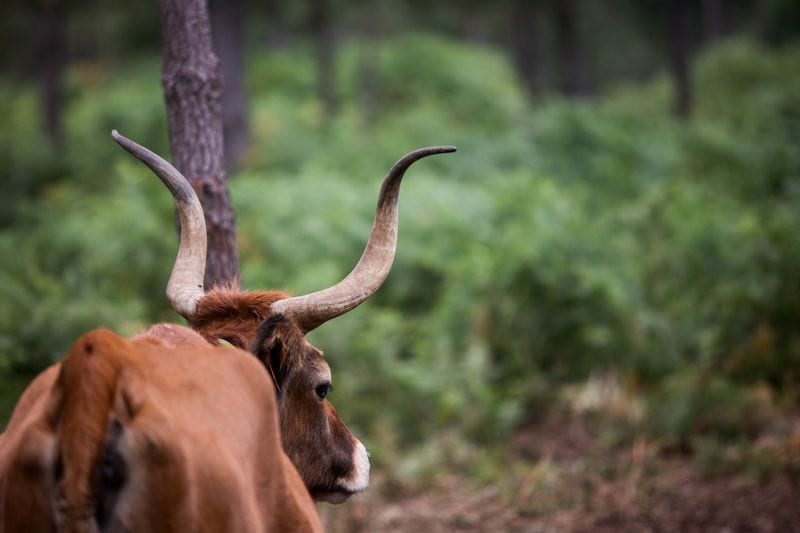
The Cachena, known locally as 'goat-cows' for their ability to graze on diverse and challenging terrain, are central to this effort. Community associations, which collectively manage significant portions of land, have revived this centuries-old wildfire prevention technique. Their grazing helps maintain vegetation at a manageable height, preventing it from becoming dangerously overgrown and carrying fires into the tree canopy.
This initiative has led to a substantial increase in native livestock populations. From just over 1,800 in the late 1990s, numbers have grown to more than 30,000 by early 2026, including approximately 8,000 Cachena cows, up from just 400. The regional government has supported these efforts through incentives for farmers and low-cost breeding bulls. Livestock are equipped with GPS collars, allowing them to roam freely without the need for fences.
Scientists attribute the intensifying wildfire seasons across southern Europe to climate change, with Spain recording significantly higher average temperatures. While livestock grazing is a scientifically backed strategy, experts emphasize its effectiveness when combined with other methods like mechanical thinning and controlled burns. Landowners and collectives in other Spanish regions are also adopting similar livestock-based fire prevention measures.