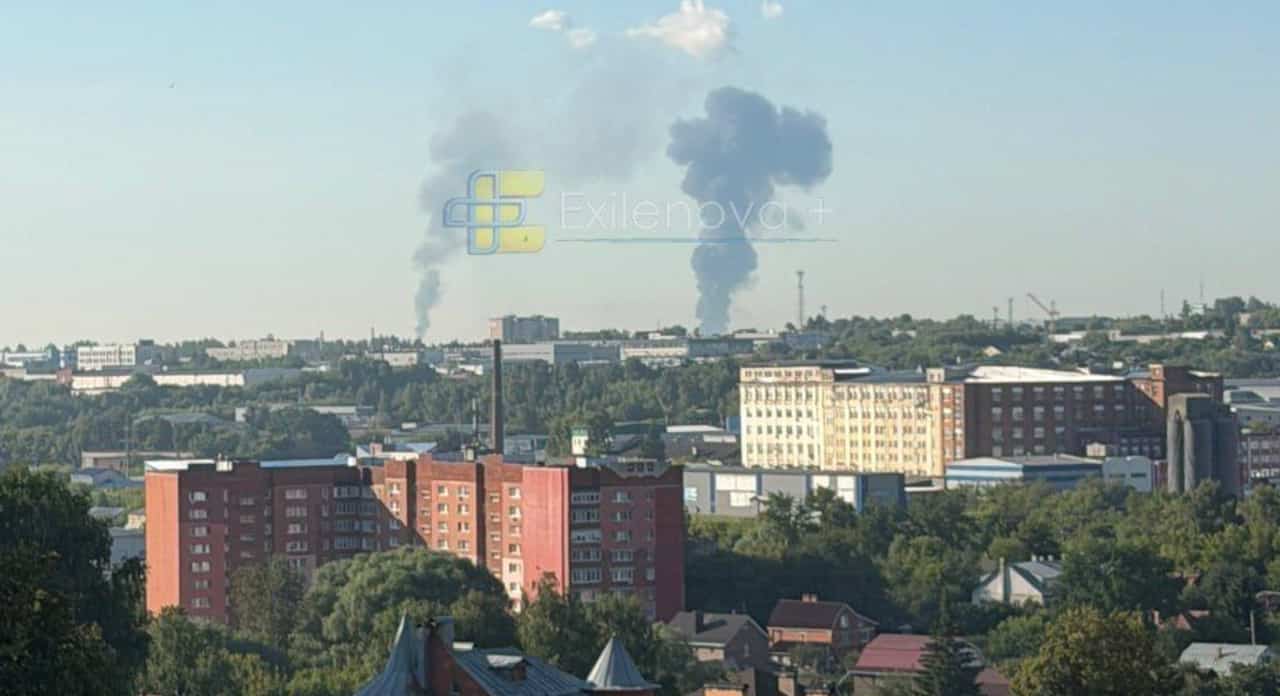
Key facts
- Lukoil's NORSI refinery in Nizhny Novgorod Oblast, Russia's fourth-largest oil refinery, suspended operations again after a drone strike on July 2.
- The attack damaged the AVT-6 primary crude oil processing unit, which accounts for 53% of the refinery's capacity.
- This marks the second shutdown for the facility in June and July due to Ukrainian drone attacks.
- Ukraine's military stated the refinery was targeted to reduce Russia's military and economic potential.
- The refinery attacks are contributing to a domestic fuel supply crisis in Russia, causing price increases and sales restrictions.
Russia's Lukoil-Nizhegorodorgsintez refinery, also known as NORSI, has once again halted operations after sustaining damage from a Ukrainian drone strike on July 2. This incident follows a similar shutdown on June 24 due to a prior drone attack. NORSI is the fourth-largest oil refinery in Russia and the second-largest producer of gasoline, making it a significant facility for the Russian oil giant Lukoil.
According to Ukraine's General Staff, the refinery, located in Kstovo, Nizhny Novgorod Oblast, was targeted as part of a campaign to degrade Russia's military and economic capabilities. The attack reportedly caused a fire and damaged the critical AVT-6 primary crude oil processing unit, which accounts for 53% of the refinery's total capacity. The plant has an annual processing capacity of approximately 17 million metric tons and produces various petroleum products, including those used by the Russian military.
Ukraine has intensified its deep strike campaign against Russian oil infrastructure, leading to disruptions and, in some cases, indefinite shutdowns of major facilities. NORSI is the fifth Russian refinery to cease operations since the beginning of June, with other facilities like the Volgograd, Kuibyshev, Taneco, and Moscow refineries also experiencing shutdowns. The Moscow Oil Refinery, struck twice in late June, is not expected to resume operations before 2027.
These attacks are exacerbating a domestic fuel supply crisis in Russia, characterized by export bans, price increases, and sales restrictions. President Vladimir Putin publicly acknowledged these challenges, noting ongoing issues with gasoline availability. In response, the Russian government passed a decree on July 2 to relax quality standards for gasoline products, aiming to mitigate the crisis.