Key facts
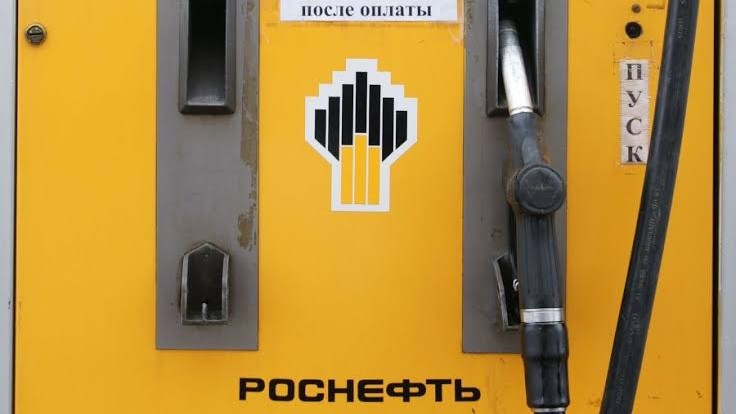
- Russia is rationing gasoline in Moscow due to Ukrainian drone strikes on oil infrastructure.
- Ukrainian attacks are increasingly targeting sophisticated refinery units, leading to longer repair times and significant production cuts.
- Russia's offline capacity of secondary processing units has increased significantly due to drone strikes.
- Repeated strikes on specific refineries have further delayed repairs and impacted oil loadings.
- Ukraine has ramped up deep strikes on Russian territory, with a record number of attacks on oil facilities in recent months.
- Fuel shortages and restrictions are being reported across multiple Russian regions.
Russia is experiencing a growing gasoline crisis, leading to rationing in Moscow, as Ukrainian drone strikes increasingly target and damage critical oil refinery infrastructure. The attacks are no longer just hitting primary units but sophisticated secondary components like hydrocrackers, which are essential for producing diesel and gasoline and are difficult and time-consuming to replace, especially with Western sanctions on specialized equipment.
This strategic shift in targeting by Ukraine has led to significant production cuts. Russia's offline capacity for secondary processing units reached approximately 1.2 to 1.3 million barrels per day in May, a substantial increase from the previous year, with hydrocrackers accounting for a large portion of this. This has resulted in a roughly 10% drop in diesel production for April and May.
Furthermore, Ukraine has adopted a strategy of repeatedly striking the same refineries, such as the Tuapse complex, further delaying repairs and impacting operations. While some facilities, like the Ust-Luga port, have demonstrated resilience and quicker recovery times, the overall impact of Ukraine's intensified campaign is significant. The number of deep strikes launched by Ukraine into Russian territory has nearly doubled from 2022-2024 to 2025, and is projected to exceed 800 this year.
The consequences are widespread, with fuel shortages and restrictions reported in at least 14 Russian regions, and panic buying occurring in some areas. Russia has responded by banning gasoline exports until the end of July and aviation fuel since June 1. While some experts caution against declaring a definitive tipping point, the Ukrainian strikes are increasingly exhausting the Russian oil system's ability to adapt under stress.