Key facts
- Russia imported approximately 30,000 metric tons of diesel and jet fuel from South Korea in July.
- Russian refinery throughput dropped to 3.6 million barrels per day last month, a significant decrease from the seasonal average.
- Crude oil production in Russia increased to over 9 million barrels per day in July.
- Ukraine's continued drone attacks on Russian refineries are exacerbating supply issues.
- Russia has extended its ban on diesel fuel exports until the end of the year.
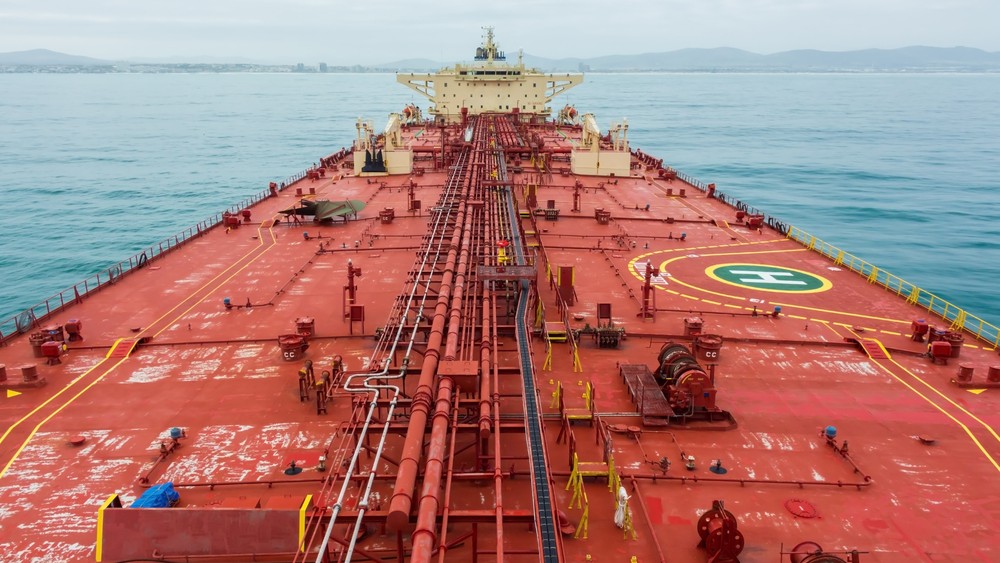
Russia has turned to South Korea for fuel supplies to address critical shortages stemming from persistent Ukrainian drone attacks on its domestic refineries. In July, Russia imported approximately 30,000 metric tons of diesel and jet fuel, with at least two tankers making the journey to Russia's Far East. This move comes as Russian refinery throughput has reportedly fallen to its lowest point since 2002, averaging 3.6 million barrels per day, which is over 30% below the typical seasonal rate.
Despite the refinery issues, crude oil production in Russia has seen an increase, averaging over 9 million barrels daily in July, up from June's figure. While some reports suggest Russia is working to restart damaged refineries and ease shortages, Ukraine continues its offensive. President Zelensky recently stated that two more facilities deep inside Russia were targeted in long-range attacks.
The supply crunch has led Russia to extend its ban on diesel fuel exports until the end of the year, further tightening the global diesel market, particularly for Europe. The country has also restricted gasoline exports to prioritize its domestic market. Additionally, Ukrainian attacks have impacted oil flow through the Caspian Pipeline Consortium, forcing Kazakhstan to reduce its oil production by approximately 50% last month.