Key facts
- Romania restarted a 300 MW coal-fired power plant.
- The country's only nuclear power plant at Cernavoda was shut down.
- Record-low water levels on the Danube River forced the nuclear shutdown.
- The Cernavoda plant typically generates 20% of Romania's power.
- Hungary is also taking measures to keep its nuclear plant operational due to low Danube levels.
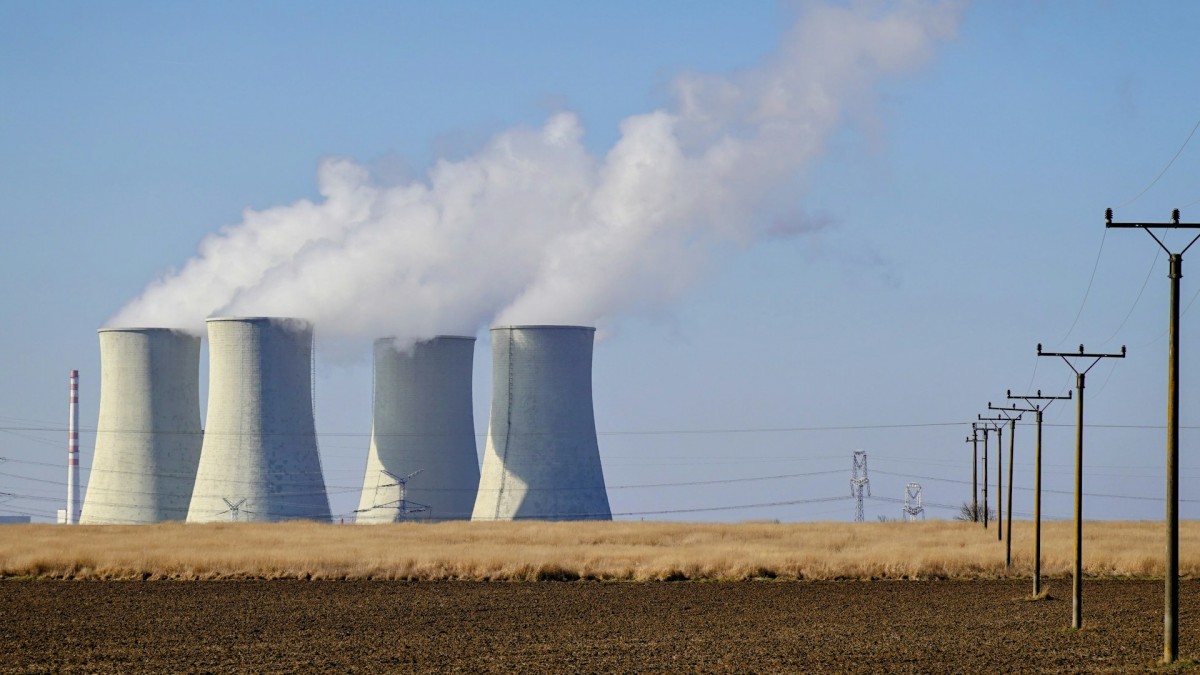
Romania has restarted a 300-megawatt coal-fired power plant to compensate for the loss of nuclear electricity generation, which was halted due to critically low water levels on the Danube River. The country's sole nuclear facility, the Cernavoda plant, has had both its reactors shut down because insufficient water supply prevents the necessary cooling of the reactors. This shutdown represents a loss of approximately 20% of Romania's total power generation capacity. The Cernavoda plant's two reactors each have an installed capacity of 680 MW. The water levels on the Danube are reportedly the lowest in 90 years, a situation also affecting Hungary's Paks nuclear power plant, which generates one-third of the country's electricity. Hungary is reportedly sinking barges in the river to maintain its plant's operations. The director of the Cernavoda plant indicated that a restart is not anticipated within the next ten days. The restarted Rovinari coal unit is expected to add nearly 300 MW to the national energy grid.