Key facts
- Pakistan's power generation costs rose 38% in July year-over-year.
- The country paid record-high spot LNG prices, reaching $21.88 per MMBtu.
- Increased power output and reliance on spot LNG cargoes drove up costs.
Pakistan's electricity generation costs jumped 38% in July year-over-year, driven by record-high spot LNG prices and increased power output. The country resorted to expensive spot market purchases due to supply disruptions from Qatar and Middle East tensions.
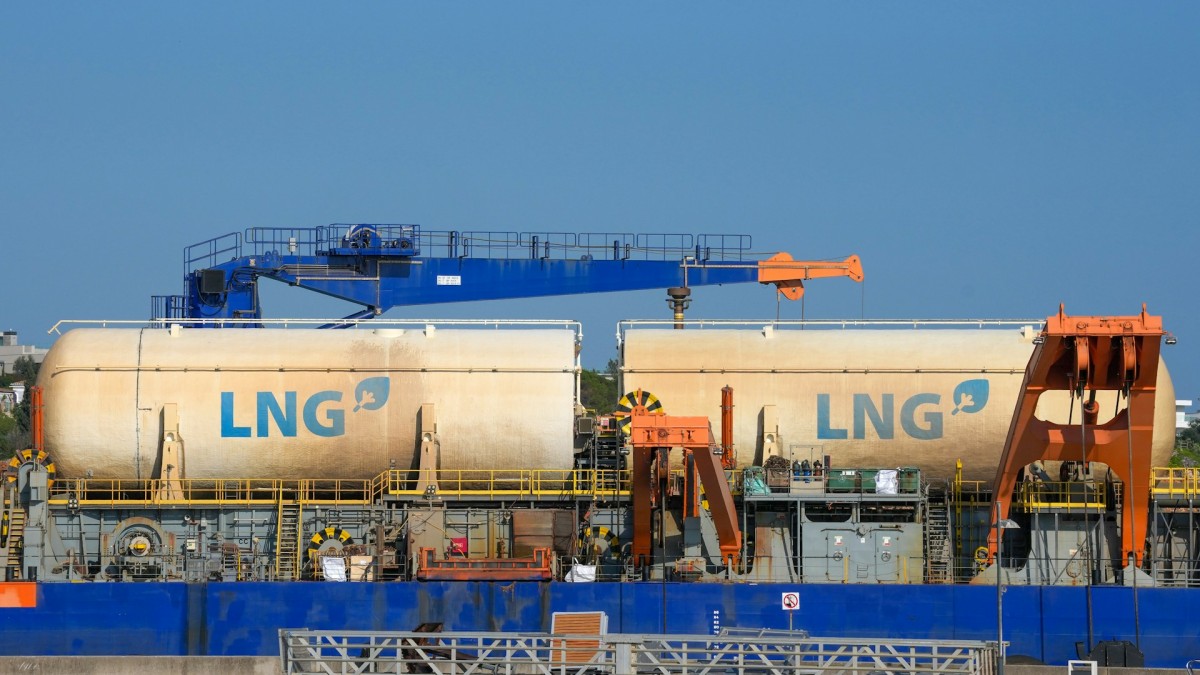
The substantial increase in Pakistan's power generation costs highlights the country's vulnerability to global energy market volatility and supply chain disruptions, potentially impacting inflation, economic stability, and the affordability of electricity for consumers and businesses.
Pakistan's electricity generation costs surged by 38% in July compared to the previous year, largely due to record-high spot liquefied natural gas (LNG) prices and increased power output. The country was compelled to purchase LNG on the spot market at elevated prices, reaching up to $21.88 per million British thermal units (MMBtu) in mid-July, the highest since the Iran war began. This situation arose from supply disruptions, including the closure of the Strait of Hormuz and issues with regular shipments from its term supplier, Qatar.
Total electricity generation in July also increased by 7% year-over-year, marking the second-highest for the month. This rise was supported by the highest-ever generation from hydroelectric, local coal, and imported coal sources. The reliance on spot LNG cargoes, coupled with higher furnace oil prices and elevated oil prices globally, significantly contributed to the increased generation costs, according to analysis from Arif Habib Limited. The last time Pakistan paid such high prices for LNG was in 2022, when Asian spot prices spiked following the Russian invasion of Ukraine.