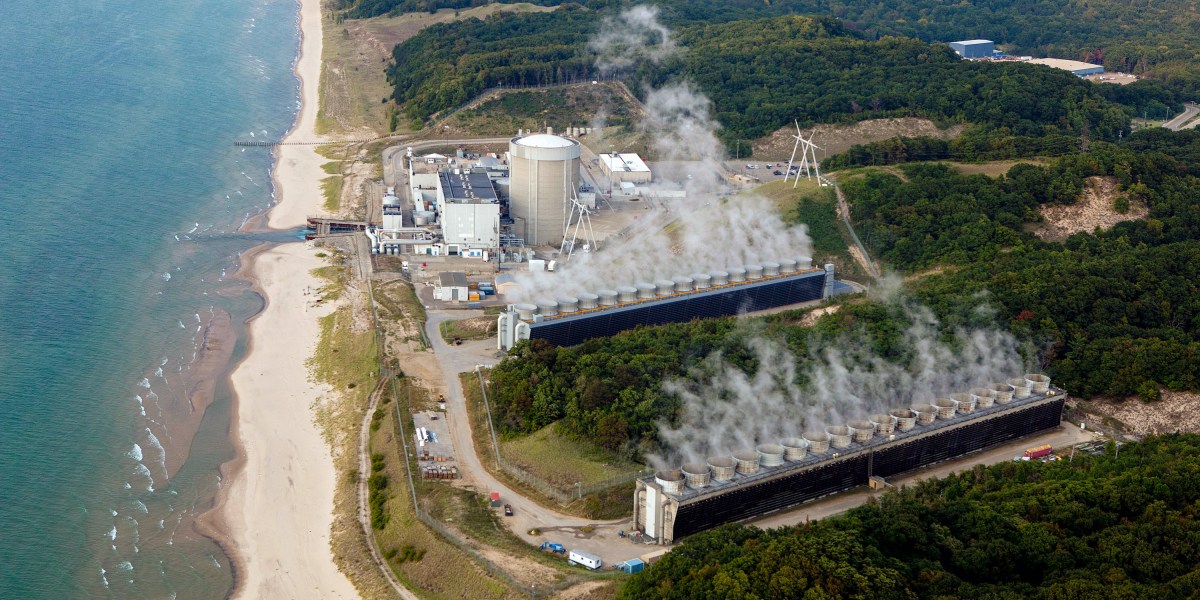
Key facts
- The Palisades Nuclear Power Plant in Michigan is slated for a potential restart by the end of 2025.
- The U.S. Department of Energy has committed a $1.52 billion loan to support the restart.
- Michigan has provided $300 million in state funding for the project.
- This effort marks the first time a fully shut-down U.S. nuclear reactor, on its way to decommissioning, is being revived.
- The plant's 800-megawatt capacity is intended to contribute to U.S. carbon-free energy goals and grid stability.
The effort to restart the Palisades Nuclear Power Plant in Michigan, which shut down in May 2022, represents a significant undertaking, being the first attempt in the U.S. to revive a fully decommissioned reactor. Holtec International, the plant's owner, initially intended to dismantle the facility but shifted plans due to changing economic conditions and a recognized need for low-carbon energy sources. The project has garnered substantial financial backing, including a conditional $1.52 billion loan commitment from the U.S. Department of Energy and $300 million from the state of Michigan. This financial support is crucial for addressing the technical, administrative, and regulatory hurdles involved in bringing the 800-megawatt plant back online by the end of 2025. The success of this endeavor could set a precedent for other shuttered reactors, such as Three Mile Island Unit 1, and contribute to the nation's carbon-free energy goals. However, the process is proving more complex than a routine refueling outage, requiring extensive maintenance, equipment checks, and regulatory approvals, especially given that decommissioning had already begun. Holtec has maintained a level of readiness at the site, keeping some staff employed and records updated, which is seen as a key factor in the plant's potential to restart.