Key facts
- India's lithium battery recycling targets are facing significant obstacles.
- Logistics and high costs are preventing companies like Panasonic from meeting these targets.
- Improper disposal of lithium batteries can lead to environmental contamination.
- Effective recycling is crucial for sourcing critical minerals.
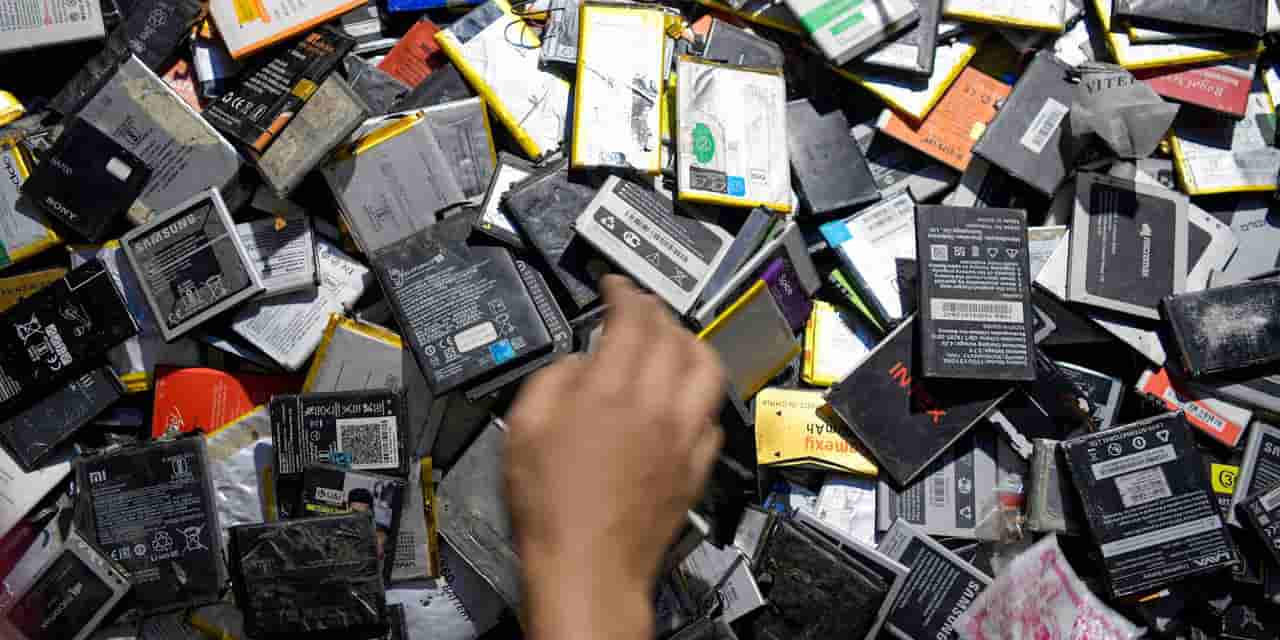
India's ambitious drive to recycle lithium batteries is encountering significant hurdles related to logistics and cost, according to reports. Companies such as Panasonic are finding it difficult to meet the mandated recycling targets, raising concerns about environmental pollution and the efficient sourcing of critical minerals.
The current economic viability of recycling is weak, making it challenging for manufacturers to process low-end battery waste through official channels. Without proper processing, this waste is likely to end up in informal channels, where it is often incinerated or landfilled. This improper disposal releases toxic elements into the environment, posing a significant ecological risk.
Furthermore, the failure to establish robust recycling infrastructure hampers India's efforts to secure a domestic supply of critical minerals essential for battery production, thereby impacting the broader electric vehicle supply chain.