Key facts
- Qatar is recalling LNG carriers to resume exports from the Ras Laffan complex.
Qatar is moving LNG tankers into the Strait of Hormuz despite a recent slowdown in ship traffic following Iran's closure of the waterway. This move signals efforts to resume liquefied natural gas exports despite ongoing repairs at the Ras Laffan complex.
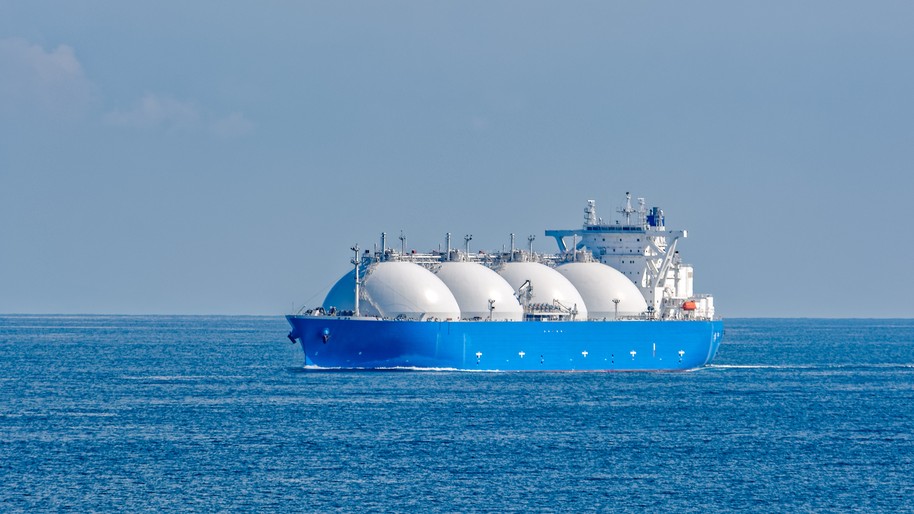
The movement of LNG tankers through the Strait of Hormuz is critical for Qatar's ability to resume exports and for global energy markets to secure supply, especially amidst ongoing geopolitical tensions.
Qatar is actively preparing to restart liquefied natural gas (LNG) exports by recalling empty carriers, despite ongoing repairs at its Ras Laffan complex following an explosion. Shipping data indicates that several QatarEnergy-linked LNG tankers are en route back to the facility, with four heading towards the Strait of Hormuz.
Qatar declared force majeure in early March after Iranian missiles struck the Ras Laffan complex, the world's largest LNG-producing facility. The state firm has informed customers that it anticipates restoring approximately 50% of its production capacity within a month, provided that safe navigation through the Strait of Hormuz is re-established. Unnamed sources suggest that up to 80% of capacity could be restored within two months.
However, the resumption of tanker traffic to pre-conflict levels remains uncertain. This uncertainty is linked to ongoing diplomatic efforts between the United States and Iran, with Israel's actions in Lebanon reportedly being a key point of contention. QatarEnergy estimates the damage to the Ras Laffan complex will result in approximately $20 billion in lost annual revenue and could take up to five years to fully repair.