Key facts
- Oil prices surged 7% to over $100 a barrel following Houthi attacks on Saudi oil tankers in the Red Sea.
- The attacks threaten global oil supplies and have reignited inflation fears.
- Longer-dated Treasury yields climbed, with 30-year yields nearing a 19-year peak and 10-year yields hitting an 18-month high.
- Market expectations for Federal Reserve rate hikes have increased significantly.
- Tech stocks, particularly Tesla and Alphabet, experienced significant declines due to increased capital expenditure and cash burn related to AI investments.
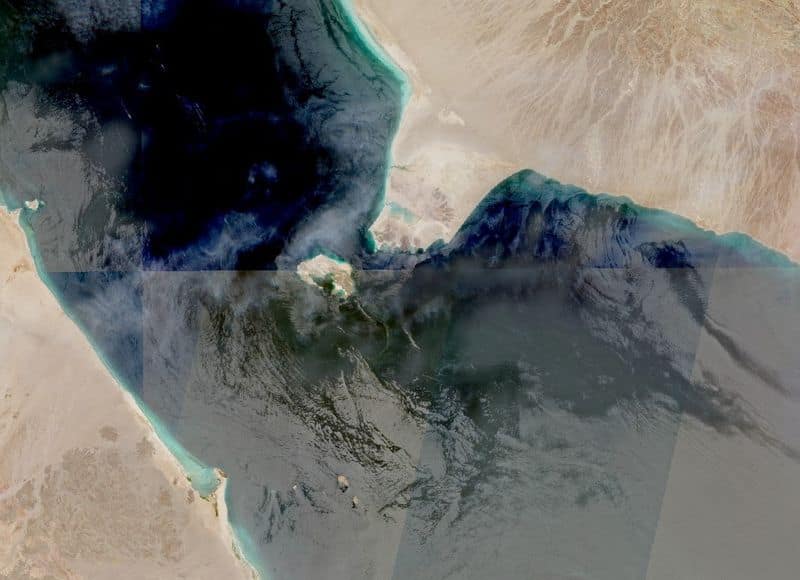
Global markets faced a turbulent start to the day as oil prices surged past $100 a barrel following attacks on Saudi oil tankers in the Red Sea by Iran-aligned Houthis. This development has reignited inflation fears and prompted concerns about global energy supply security, especially with existing low oil reserves.
President Donald Trump's threat of "major military punishment" further escalated geopolitical tensions. The surge in oil prices has led to a significant sell-off in longer-dated U.S. Treasuries, with 30-year yields approaching a 19-year peak and 10-year yields reaching an 18-month high. This has evaporated hopes for central bank policy easing, with markets now pricing in a higher probability of Federal Reserve rate hikes.
Asian stock markets reacted negatively, with South Korea's KOSPI and Japan's Nikkei experiencing sharp declines. Even strong results from Intel Corp did not provide relief to the broader semiconductor sector. The technology sector also faced headwinds, with Tesla shares tumbling due to its first cash burn in two years and Alphabet shares falling amid increased AI-related spending.
Looking ahead, investors will be closely watching key economic data releases, including UK retail sales and flash PMIs from the UK, EU, and US, which could further influence market sentiment and central bank policy expectations.