Key facts
- Hezbollah rejected a U.S.-brokered ceasefire agreement with Israel.
- Oman's Mina al Fahal terminal suspended oil loadings after an explosion.
- Oil prices rose, paring losses from the previous session.
- The conflict's continuation impacts U.S.-Iran peace negotiations.
- Analysts note concerns about falling global oil inventories.
- Oil flows through the Strait of Hormuz remain well below pre-war levels.
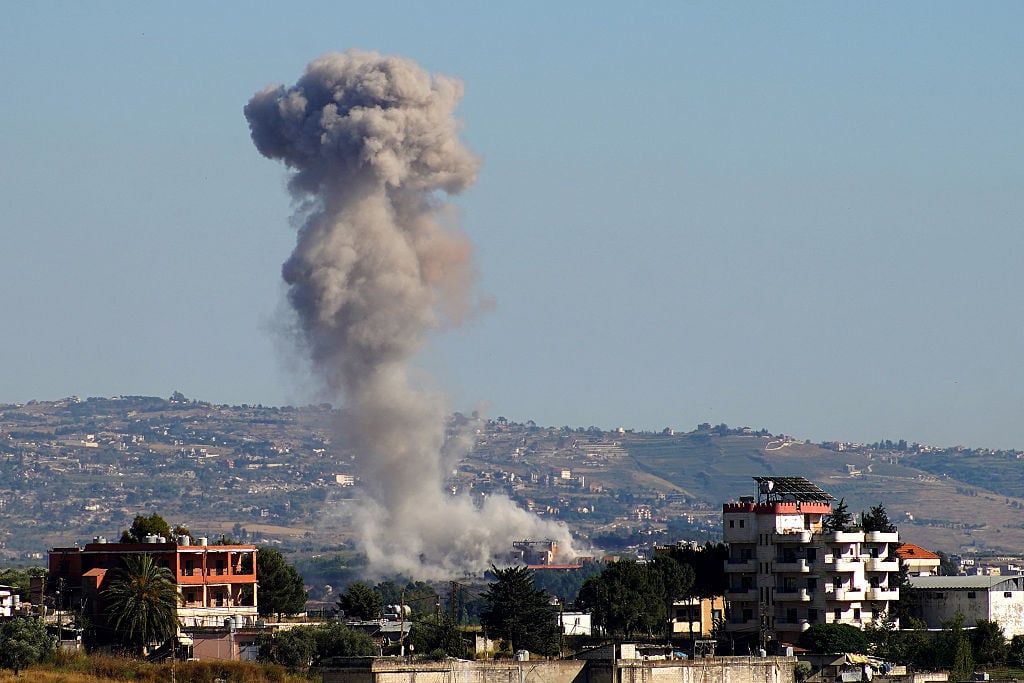
Oil prices steadied on Friday after a volatile week, with Brent crude holding near $95 a barrel and West Texas Intermediate near $93. Prices had pulled back after optimism around U.S.-Iran talks, but Hezbollah's rejection of a U.S.-brokered ceasefire between Israel and Lebanon pushed prices back up. The Iran-backed group stated it would not withdraw troops from Lebanon and rejected ongoing negotiations. Israel continued air strikes in southern Lebanon, with Hezbollah launching retaliatory attacks. The Strait of Hormuz, which carries about a fifth of the world's crude oil, remains a key factor, with oil flows well below pre-war levels. An explosion at Oman's Mina Al Fahal oil export terminal briefly disrupted loadings but operations resumed shortly after. Analysts suggest that while constructive headlines can reduce the war premium, significant price declines depend on a meaningful recovery in Hormuz traffic and real progress on the ground.