Key facts
- Global VLCC orderbook hits record high amid Strait of Hormuz risks.
- Second-hand tanker prices surge, with 10-year-old VLCCs fetching $115 million.
- Chinese crude imports dropped to an 8-year low in May.
- OPEC+ agreed to a further 188,000 b/d production increase for July.
- Saudi Aramco cut its July crude prices for Asia by $6 per barrel.
- Chevron seeks to invest $13.8 billion in Argentina's Vaca Muerta shale play.
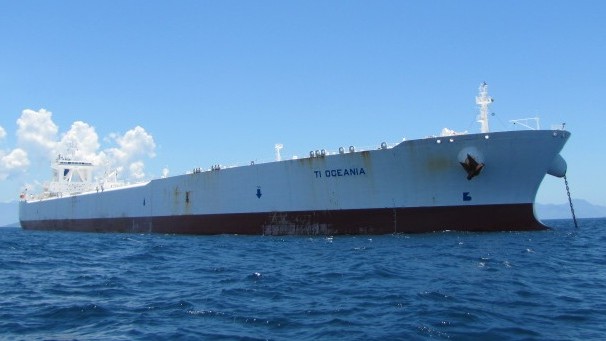
The global oil market is experiencing a complex interplay of geopolitical risks, shifting trade dynamics, and weakening demand, particularly from China. Tensions surrounding the Strait of Hormuz have spurred a significant increase in orders for Very Large Crude Carriers (VLCCs), pushing the global orderbook to an all-time high. Shippers are securing vessels for delivery in 2029-2030, reflecting concerns about transit security, with approximately 10% of the non-sanctioned VLCC fleet currently avoiding the Strait. This heightened risk has also driven up the prices of second-hand tankers, with 10-year-old VLCCs now commanding $115 million, a level not seen since 2008.
Despite these supply-side concerns, crude prices have remained relatively stable, hovering around $92 per barrel for ICE Brent. This stability is attributed to fears of demand destruction, exacerbated by a significant slump in Chinese oil imports. In May, China's crude imports fell to 7.8 million barrels per day, an eight-year low and nearly 4 million barrels per day less than a year prior, as the country implements run cuts and draws down inventories. This weakening demand has prompted Saudi Aramco to cut its formula prices for July-loading cargoes to Asia by $6 per barrel.
OPEC+ continues its production increases, with the seven remaining members approving an additional 188,000 barrels per day for July, marking the fourth consecutive monthly hike. Meanwhile, geopolitical events continue to shape the energy landscape. The US-Iran crisis has led to project delays in China's downstream sector, including the postponement of Saudi Aramco's Panjin refinery startup. Russia's refinery runs are expected to increase following a period of low activity due to drone strikes and maintenance, potentially impacting its exports. The US Energy Secretary noted a meaningful rise in ship traffic through the Strait of Hormuz, with Kuwait offering crude deliveries outside the Gulf. In Argentina, Chevron is seeking to invest $13.8 billion in its Vaca Muerta shale project, while Mercuria acquired Raizen's downstream business for $1.42 billion. Italy's ENI has signed an exploration agreement in The Gambia, and Brazil's Petrobras secured rights for offshore blocks in Côte d'Ivoire. US LNG developer Glenfarne has raised its cost estimate for the Alaska LNG project to $55 billion. In Australia, operator INPEX is seeking to block industrial action at its Ichthys LNG plant. UK oil major BP has formalized its restructuring into upstream and downstream units. A federal lease sale in the Arctic National Wildlife Refuge saw minimal allocation, and the Port of Vancouver is undertaking dredging to accommodate larger tankers. In the metals market, Gulf countries' primary aluminium output has fallen to a decade low, boosting Chinese exports.