Key facts
- Global oil prices surpassed $100 a barrel for the first time since May.
- Brent crude futures reached $100.60, a 29% increase over the past month.
- Houthi militants claimed responsibility for attacking two Saudi oil tankers in the Red Sea.
- Renewed U.S.-Iran tensions over oil flows through the Strait of Hormuz are intensifying.
- Major stock indexes fell, with the Nasdaq dropping 2.2%.
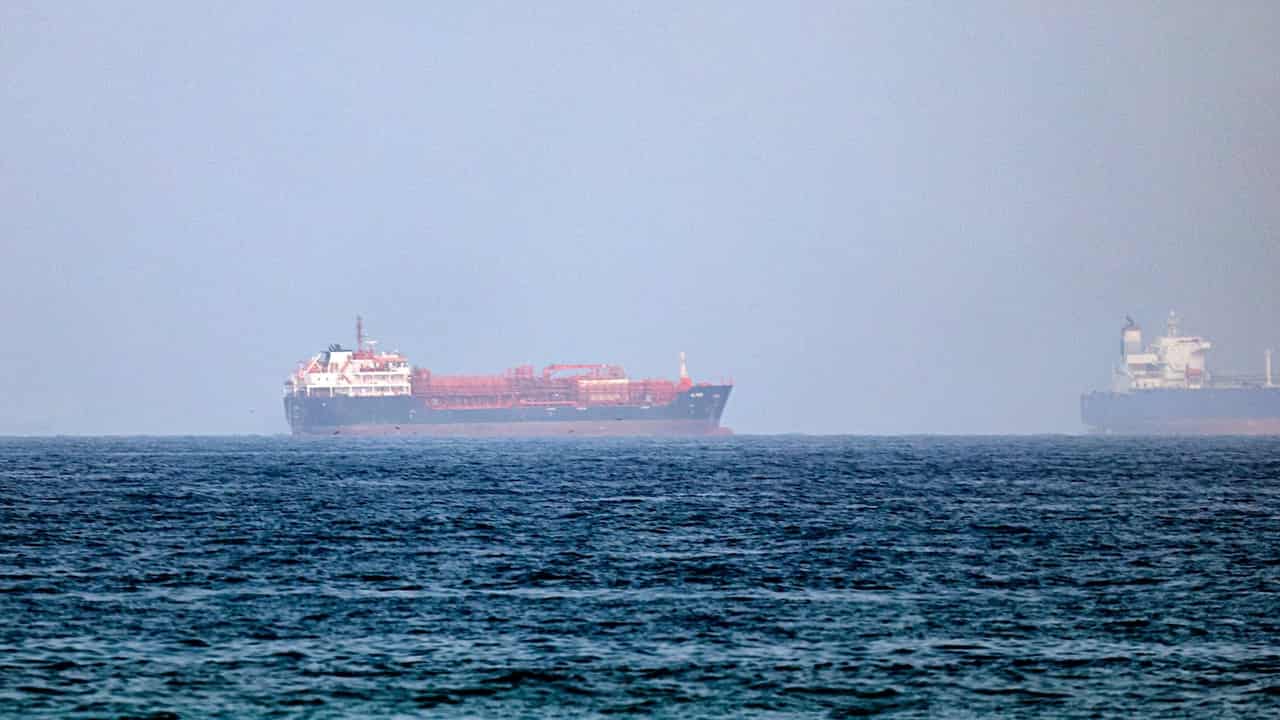
Global oil prices surged past $100 a barrel on Thursday, with Brent crude futures reaching $100.60, as escalating conflict in the Middle East threatened to disrupt supply. The price jump, the first above $100 since May, was fueled by Houthi militants claiming responsibility for striking two Saudi oil tankers in the Red Sea and ongoing tensions between the United States and Iran over oil flows through the Strait of Hormuz.
The conflict has imperiled a preliminary agreement to end the Iran war, with shipping traffic in the Strait of Hormuz declining sharply. The U.S. resumed its naval blockade of the Strait last week after Iran fired upon oil tankers. The reported Houthi attack on Saudi tankers risks slowing freight traffic along an alternative route to the Red Sea.
In response to the surging energy costs, major stock indexes tumbled. The Dow Jones Industrial Average fell 525 points, or 1%, the S&P 500 declined 1.2%, and the tech-heavy Nasdaq dropped 2.2%. The average price of a gallon of gasoline in the U.S. has topped $4.09.
Fears that the conflict could compound disruptions to global oil supplies have reignited concerns that oil prices could climb to $120 a barrel, impacting households and the global economy. Government borrowing costs also rose globally as investors weighed the risk that a surge in oil prices could rekindle inflationary pressures. In the UK, the yield on 10-year government borrowing rose above 5.1%.