Key facts
- Eight Japanese power companies are building or expanding 30 substations.
- Investments aim to bolster transmission capacity for AI data centers.
- Kansai Electric Power will invest over JPY150 billion in substations and transmission lines.
- TEPCO plans to invest over JPY200 billion to reinforce the grid in Chiba Prefecture.
- Data center electricity demand is projected to increase 14-fold by FY2034.
Eight of Japan's major power companies are undertaking the construction or expansion of 30 substations nationwide. This initiative aims to bolster electricity transmission capacity in anticipation of increased demand driven by the proliferation of artificial intelligence data centers and semiconductor factories.
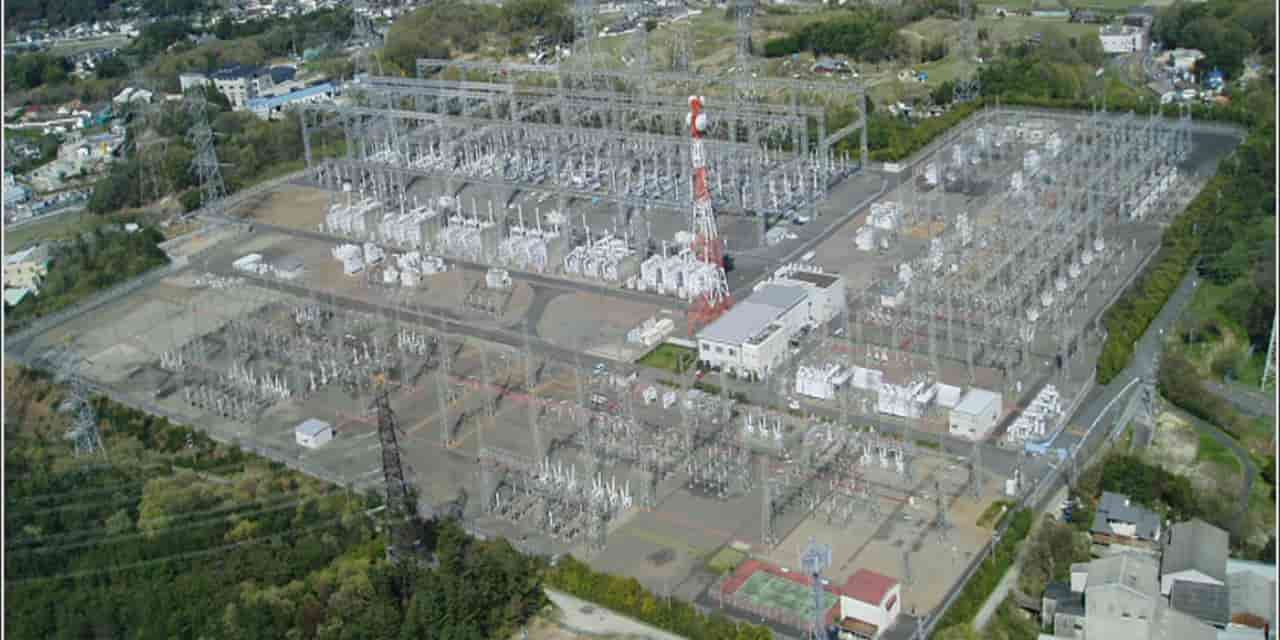
Kansai Electric Power, through its subsidiary Kansai Transmission and Distribution, plans to invest over JPY150 billion (approximately $1.04 billion) starting in 2026. This investment includes strengthening four substations around the Osaka area, such as the Nishi-Osaka Substation and the Shin-Ikoma Substation. Transformer expansion work at these sites, scheduled for completion between 2027 and 2029, is expected to increase their electricity handling capacity by about 30%. The company will also focus on strengthening and building new transmission lines.
In eastern Japan, TEPCO's subsidiary, TEPCO Power Grid, is set to invest over JPY200 billion by the early 2030s to reinforce the power grid in northwestern Chiba Prefecture, a region experiencing a concentration of data centers. This investment will involve building two new substations and constructing and upgrading transmission lines to connect them.
According to the Organization for Cross Regional Coordination of Transmission Operators (OCCTO), electricity demand from data centers and semiconductor factories across Japan is projected to surge dramatically. Demand is expected to rise from an estimated 3.6 billion kWh in fiscal year 2025 to 51.4 billion kWh by fiscal year 2034, representing a roughly 14-fold increase.
The expansion of data centers and the associated grid improvements may lead to higher electricity rates for general consumers, as power companies bear the costs for high-voltage transmission networks. The clustering of data centers in areas like Minoh and Ikoma, and in Chiba Prefecture, is further accelerated by these grid enhancements, making it easier for other companies to establish facilities in these locations.