All NewsEducationTV
Equities & FundsCrypto & Digital AssetsAI & TechnologyBusiness & CorporateUS Politics & PolicyGeopolitics & Global RiskMacro, Rates & FXCommodities & EnergyEuropean Politics & MarketsAsia-PacificReal Estate & Property
Story archiveAll categories
← All Stories

Japan parts maker ships rare-earth-free sunroof motors for German cars

Created at 30 Jul · 7:00 PM1 source↑ Market-relevant
IN SHORT

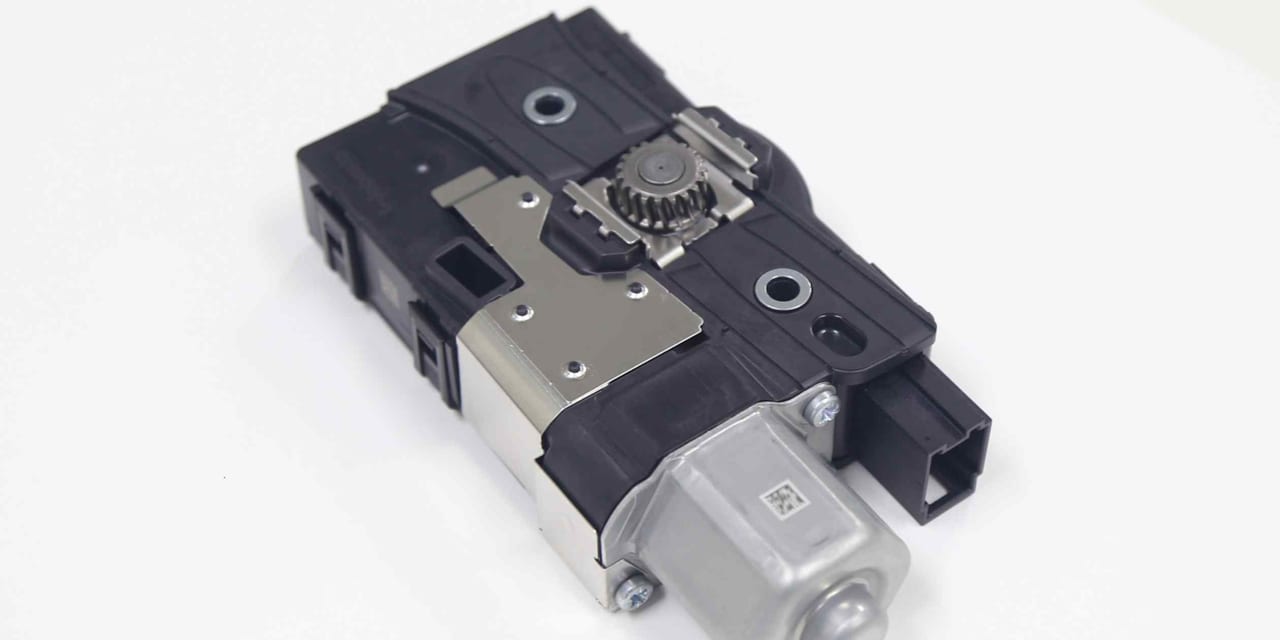
Japanese automotive parts maker Mitsuba has begun shipping sunroof motors that contain no rare-earth elements to German luxury automakers. The new motors eliminate the need for neodymium, a rare earth element, aiming to mitigate price volatility and supply chain risks.

✉Newsletter

PiQ Daily

Pick your topics. Get only what matters, on your cadence.

Key Numbers

2 millionannual sales target for new motors
14 millionroof motors sold in fiscal 2025
36%Mitsuba's global market share for roof motors in fiscal 2025
90%rare earth reduction by Nissan for EVs
5 billion yenDaido Steel investment in plant capacity
45 tonsDaido Steel's planned monthly capacity by spring 2026
150 tonsDaido Steel's planned monthly capacity by fiscal 2030

Who's Involved

Mitsuba
Japanese automotive parts maker shipping rare-earth-free sunroof motors
German luxury automakers
Recipients of Mitsuba's new rare-earth-free sunroof motors
Bevest Roof & Components
German automotive roof system supplier, co-developer of the new motor
Proterial Ltd.
Developed heavy-rare-earth-free neodymium magnet for EV traction motors
Daido Steel Co.
Commercialized heavy-rare-earth-free neodymium magnets for hybrids
Honda Motor Co.
First to adopt Daido Steel's rare-earth-free magnets for hybrids in 2016
Japan parts maker ships rare-earth-free sunroof motors for German cars

↳ Why This Matters

This development highlights a significant shift in the automotive supply chain, driven by geopolitical risks and the push for electrification, as manufacturers seek to reduce dependence on China for critical rare earth elements and ensure stable production of components.

Key facts

  • Japanese auto parts maker Mitsuba is now shipping rare-earth-free sunroof motors to German luxury car manufacturers.
  • These new motors eliminate the need for neodymium, a rare earth element, addressing supply chain and price volatility concerns.
  • Mitsuba aims to sell 2 million units of these motors annually, building on its global leadership in roof motors.
  • The development is part of a broader industry trend in Japan to reduce reliance on China for critical rare earth elements.
  • Alternative magnet-free motor technologies are being developed and adopted by other Japanese companies for EVs and hybrids.

Japanese automotive parts maker Mitsuba has begun supplying German luxury car manufacturers with sunroof motors that do not contain rare-earth elements. This move addresses growing industry concerns over price volatility and supply chain risks associated with rare earths, which are largely controlled by China.

The new motors eliminate the need for neodymium, a powerful rare earth magnet previously used in Mitsuba's earlier versions. The company, which held a 36% global market share in roof motors in fiscal 2025 with approximately 14 million units sold, aims to sell 2 million units of the new rare-earth-free motors annually. The product was developed in collaboration with German supplier Bevest Roof & Components and is noted to be smaller and lighter than its predecessors.

This initiative aligns with a broader trend in the automotive sector to reduce reliance on rare earth elements. Japanese companies like Proterial Ltd. and Daido Steel Co. are also developing and commercializing heavy-rare-earth-free magnet technologies for electric and hybrid vehicle motors. Daido Steel's magnets have been used by Honda in hybrids since 2016, and the company is significantly increasing its production capacity. These efforts aim to secure supply chains and mitigate geopolitical risks, particularly amid U.S.-China tensions.

Innovations in magnet-free electric motor designs are also emerging, utilizing principles such as reluctance torque and induction to achieve performance without relying on scarce materials. This shift promises more sustainable production, cleaner supply chains, and potentially lower costs for industries ranging from electric vehicles to renewable energy.

Frequently asked questions

The industry is seeking to avoid price swings and supply risks associated with rare earth elements, many of which are controlled by China, and to mitigate geopolitical vulnerabilities.

Neodymium is a rare earth element used to create strong permanent magnets, crucial for high-performance motors in electric vehicles and other applications. However, its supply chain is concentrated and subject to price volatility.

These are motors designed to achieve performance without using rare earth magnets, employing principles like reluctance torque or induction to generate motion.

Companies like Mitsuba, Proterial Ltd., and Daido Steel Co. are developing and commercializing technologies that reduce or eliminate the use of rare earth elements in motor magnets.

What Happens Next

01Mitsuba plans to expand the rare-earth-free motor technology to other automotive applications.
02Proterial Ltd. is eyeing mass production of its heavy-rare-earth-free neodymium magnets.
03Daido Steel plans to invest 5 billion yen to increase monthly capacity of its rare-earth-free magnets to 45 tons by spring 2026 and 150 tons by fiscal 2030.

Get the newsletter.

Pick the topics you actually care about. We'll email when there's news worth your time, on the cadence you choose. Cancel any time from your account.

Cadence
CME Headlines
  • Performance Bond Requirements: Agriculture & Energy — Effective July 31, 2026
    30 Jul · 9:15 PM
  • Performance Bond Requirements: Agriculture — Effective July 31, 2026
    30 Jul · 9:15 PM
  • Natural Gas futures rose as EIA build missed expectations.
    30 Jul · 8:54 PM

How It Developed

Mitsuba has begun shipping sunroof motors without rare-earth elements to German luxury automakers.
The new motors do not use neodymium, a rare earth element previously used in earlier versions.
The company aims to sell 2 million units of the new roof motors annually.
Mitsuba was the world's top seller of roof motors in fiscal 2025 with a 36% market share, selling approximately 14 million units.
The new product was jointly developed with German automotive roof system supplier Bevest Roof & Components.
The rare-earth-free design is smaller and lighter than previous models.
The automotive industry faces challenges in managing procurement risks while advancing electrification.
Japanese manufacturers are developing technologies for motor magnets without heavy rare earths, largely controlled by China.

Sources

T1
Japan parts maker ships rare-earth-free sunroof motors for German carsNikkei Asia
T2
ミツバ、レアアース使わない車用モーター量産 独高級車向けに納入nikkei.com
T2
Japan reduces reliance on China with rare earth-free magnetsasahi.com
T2
Magnet-free electric motors: Driving innovation beyond rare earthsedn.com

Related Stories

Japan Buys Rare Canadian Oil Cargo
30 Jul · 6:36 AM
Nissan, Daihatsu Production Halted After Kumamoto Earthquake
30 Jul · 7:46 AM
US Aims to Rebuild Rare Earth Supply Chain With Focus on Heavy Elements
30 Jul · 12:56 AM
US Backs Madagascar Rare Earths Project to Counter China
30 Jul · 3:51 AM
PLS to boost lithium output by 20% as Australian miners eye expansion
30 Jul · 5:42 AM