Key facts
- Japan's Eneos has bought a rare cargo of Canadian crude oil.
- This is the first Canadian oil shipment purchased by a Japanese company since 2025.
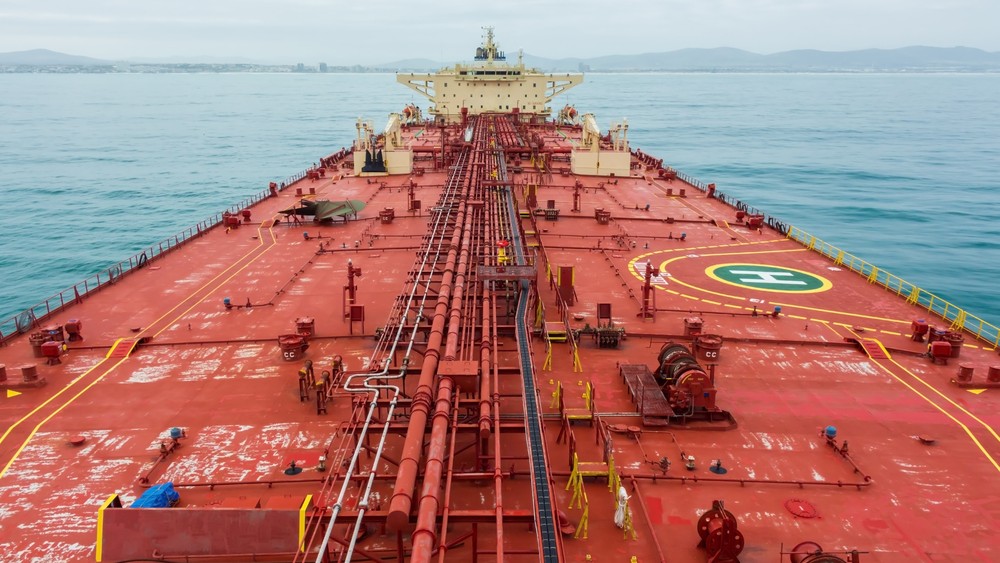
- The cargo was loaded on an Aframax tanker with a capacity of 750,000 barrels.
- Exxon was the seller of the crude oil.
- Canada's Trans Mountain pipeline is operating at double its capacity, exporting oil to Asian markets.
- Japan is diversifying its oil imports away from Middle Eastern producers due to regional conflicts.
Japan's largest refiner, Eneos, has acquired a rare shipment of Canadian crude oil, signaling a strategic shift to diversify its energy sources away from Middle Eastern supplies. This marks the first purchase of Canadian crude by a Japanese entity since 2025, according to Reuters, citing ship-tracking data. The cargo, loaded onto an Aframax tanker with a 750,000-barrel capacity, was sold by Exxon.
Kpler senior analyst Richard Ro noted that Japan's renewed interest in Trans Mountain (TMX) crude highlights Canada's increasing importance in Asia's import strategies as refiners seek alternatives to Middle Eastern oil. Canada exports oil to Asia via the Trans Mountain pipeline, which has been operating at double its 890,000-barrel-per-day capacity since 2024, driven by Canadian producers aiming for a larger share of Asian markets.
The ongoing oil export challenges in the Middle East have enhanced the attractiveness of Canadian crude, particularly for nations like Japan, which historically sourced over 90% of its oil from the Middle East. Japan has been actively pursuing alternative suppliers, including the United States and Russia. Other Asian countries such as India, Malaysia, and Singapore are also purchasing crude from Alberta via the Trans Mountain pipeline. Since the start of the year, approximately 77% of total oil exports from Vancouver have been destined for Asia, a significant increase from 51% in 2024 when the TMX pipeline launched at double capacity.
In response to strong international demand for Canadian crude, Trans Mountain Corp. has announced plans to further expand the pipeline's capacity, potentially to 1.2 million barrels per day.