Key facts
- Jamaica is evaluating offshore oil exploration opportunities in the Walton-Morant basin.
- Initial tests of seabed samples have detected hydrocarbons, prompting cautious optimism from the government.
- Environmental advocates argue that pursuing fossil fuels contradicts Jamaica's vulnerability to climate change and its renewable energy commitments.
- The island nation imports all its fuel, costing between $1.5 and $2 billion annually.
- Neighboring countries like Guyana have seen significant economic benefits from recent oil discoveries.
- Concerns exist regarding the environmental impact on marine life, fishing areas, and coastal ecosystems.
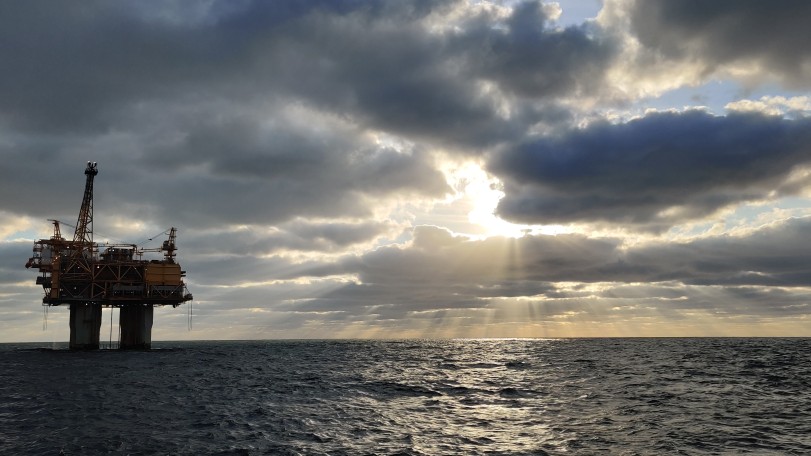
Jamaica is contemplating offshore oil exploration, a move that could significantly boost its economy but raises serious environmental concerns given the island nation's high vulnerability to climate change.
Initial tests on seabed samples from Jamaica's south coast have detected hydrocarbons, a finding that Energy Minister Daryl Vaz described as "very positive" and "cautiously optimistic." The U.K.-based firm United Oil & Gas holds the exploration license for the Walton-Morant basin, where these samples were taken. Jamaica currently imports all its fuel, incurring annual costs between $1.5 and $2 billion, making the prospect of domestic oil production highly attractive for energy security and economic development.
However, environmental advocates, such as Theresa Rodriguez-Moodie of the Jamaica Environment Trust, strongly criticize the pursuit of fossil fuels. She highlighted the recent devastation caused by Hurricane Beryl and the substantial costs of climate-related damage, arguing that exploring oil contradicts Jamaica's moral standing on climate action. As a Small Island Developing State, Jamaica is disproportionately affected by rising sea levels, intensified storms, and droughts.
Despite these environmental warnings, the economic allure of oil revenues, similar to those seen in Guyana and Suriname, is a significant driver. Some experts, like Courtney Lindsay, argue that for developing nations, addressing immediate economic needs like energy security takes precedence over climate concerns, which he characterized as a "first-world problem."
Jamaica has ratified the Paris Agreement and advocates for phasing out fossil fuels, yet the potential for oil discovery presents a complex dilemma. The proposed exploration area is near vital fishing grounds and sensitive ecosystems like mangroves and coral reefs, increasing the risk of environmental damage or oil spills. The government aims to increase renewable energy's contribution to electricity generation to 50% by 2030, but achieving this goal requires substantial investment, likely necessitating foreign financing.