Key facts
- Itochu and Daikin Industries are partnering to recycle aluminum from commercial air conditioners.
- The initiative seeks to decrease Japan's dependence on Middle Eastern aluminum imports.
- A separate collaboration involving Daikin, Shin-Etsu Chemical, Hitachi, and Tokyo Eco Recycle is establishing a rare-earth magnet recycling system for air conditioner compressors.
- The rare-earth magnet recycling project plans to deploy automated dismantling and demagnetization technologies.
- Full-scale operations for the rare-earth magnet recycling are anticipated to begin in 2027.
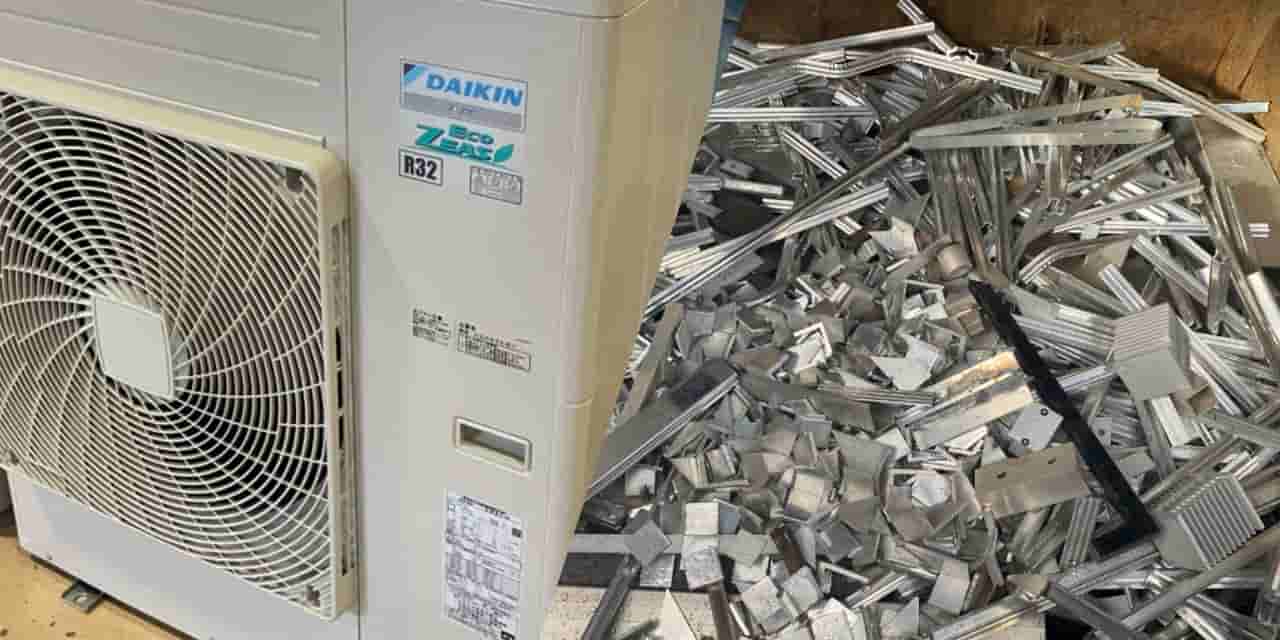
Japanese trading house Itochu and air-conditioner manufacturer Daikin Industries are launching a joint venture to recover aluminum from used commercial air conditioners. This move is part of Japan's broader strategy to reduce its reliance on imports of critical resources, particularly as geopolitical tensions in the Middle East disrupt global supply chains.
In a related development, Daikin Industries is also collaborating with Shin-Etsu Chemical, Hitachi, and Tokyo Eco Recycle on a separate initiative to establish Japan's first domestic recycling system for rare-earth magnets recovered from commercial air-conditioner compressors. This cross-industry effort aims to automate dismantling, demagnetization, and magnet extraction processes using AI-based image recognition and robotics, with full-scale operations planned to commence in 2027. The companies intend to develop the necessary automated equipment during 2026.
This rare-earth magnet recycling scheme is designed to recover magnets from Daikin commercial air-conditioner compressors replaced during repairs or overhauls, and recycle them into new materials. Tokyo Eco Recycle will manage the dismantling, demagnetization, and extraction, employing AI and robotics to enhance efficiency. Shin-Etsu Chemical will then utilize the recovered magnets as feedstock for manufacturing new rare-earth magnets. The project emphasizes integrated data management for improved traceability and process optimization.
Unlike established recycling systems for household appliances in Japan, a dedicated legal framework for commercial equipment is less developed, making this industry-led model for business-use air conditioners significant. The initiative aligns with Daikin's commitment to a circular economy, building on its efforts in refrigerant recovery and resource-conscious product design.