Key facts
- Indonesia is facing fuel shortages and rolling blackouts.
- The crisis is linked to geopolitical tensions in the Middle East and disruptions in the Strait of Hormuz.
- National fuel and energy stocks are limited to approximately 23 days.
- Indonesia imports nearly two-thirds of its daily oil and fuel needs.
- The government is implementing energy conservation measures and exploring renewable energy alternatives.
- President Prabowo Subianto has directed efforts to reduce fuel consumption and consider work-from-home policies.
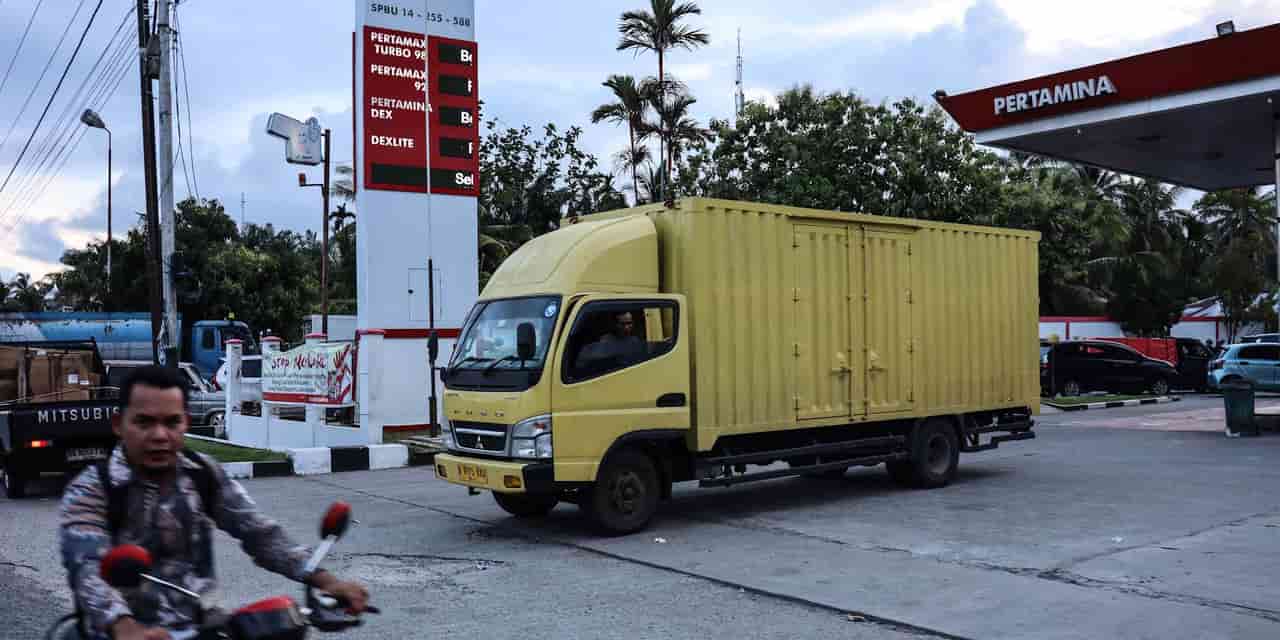
Indonesia is grappling with a deepening energy crisis, marked by widespread fuel shortages and rolling blackouts, exacerbated by ongoing geopolitical tensions in the Middle East. Truck drivers, like Ramdoni in West Sumatra, are facing extended waits for diesel, and communities in regions such as Aceh, North Sumatra, and Riau have experienced significant disruptions.
The crisis has been amplified by the conflict between the United States-Israel and Iran, which has impacted energy commodity trade and led to public concern over national fuel stock levels. Energy Minister Bahlil Lahadalia announced that Indonesia's reserves of fuel, crude oil, and LPG are limited to approximately 23 days. This situation is particularly concerning as the nation approaches the Idul Fitri holiday, a period of increased demand for fuel due to travel and social activities.
Indonesia's vulnerability stems from its heavy reliance on imports, with nearly two-thirds of its daily oil and fuel needs being imported. The country consumes about 1.7 million barrels of oil per day but produces only around 600,000 barrels domestically. Approximately 25 percent of these imports originate from the Middle East, making the nation susceptible to disruptions in shipping through critical routes like the Strait of Hormuz.
In response, President Prabowo Subianto has directed the government to implement energy conservation measures and explore options such as work-from-home policies to reduce fuel consumption. The Ministry of Energy and Mineral Resources is also accelerating the use of renewable energy, including plans to replace diesel-powered plants with non-fossil fuel alternatives. The government acknowledges the insufficient fuel storage capacity, which is less than a month, and plans to construct additional storage facilities. In the short term, imports will be redirected from the Middle East to other countries. Data from the National Energy Council indicates varying stock levels for different fuel types, with an average reserve of 20-23 days for circulating stock.