Key facts
- Hengli Petrochemical's profit more than doubled in the first half of the year.
- The U.S. sanctioned Hengli Petrochemical for alleged dealings with Iran.
- Hengli claims it has never traded with Iran and has sufficient crude inventories.
- The sanctions could disrupt supplies for hundreds of chemical, synthetic fibre, and textile producers in East Asia.
- Hengli is a key supplier of purified terephthalic acid.
Hengli Petrochemical, a major Chinese refiner and parent of a "teapot" oil refinery, has reported a more than doubling of its profit in the first half of the year. This significant increase in earnings comes despite U.S. sanctions imposed on the company for alleged dealings with Iran. The U.S. Treasury Department blacklisted Hengli Petrochemical (Dalian) Refinery, accusing it of purchasing billions of dollars' worth of Iranian crude oil and petroleum products, and receiving shipments from sanctioned vessels. The U.S. stated this action is part of a campaign of maximum economic pressure against Iran.
Hengli has denied the accusations, stating that its claims of engaging in trade with Iran are baseless and that its crude suppliers ensure cargoes are not sourced from sanctioned jurisdictions. The company also asserted that it holds sufficient crude inventories to cover more than three months of processing needs and that procurement operations have not been affected. However, the sanctions could lead to near-immediate disruption of vital supplies for hundreds of chemical, synthetic fibre, and textile producers across East Asia, as some of Hengli's petrochemical clients have already begun canceling orders.
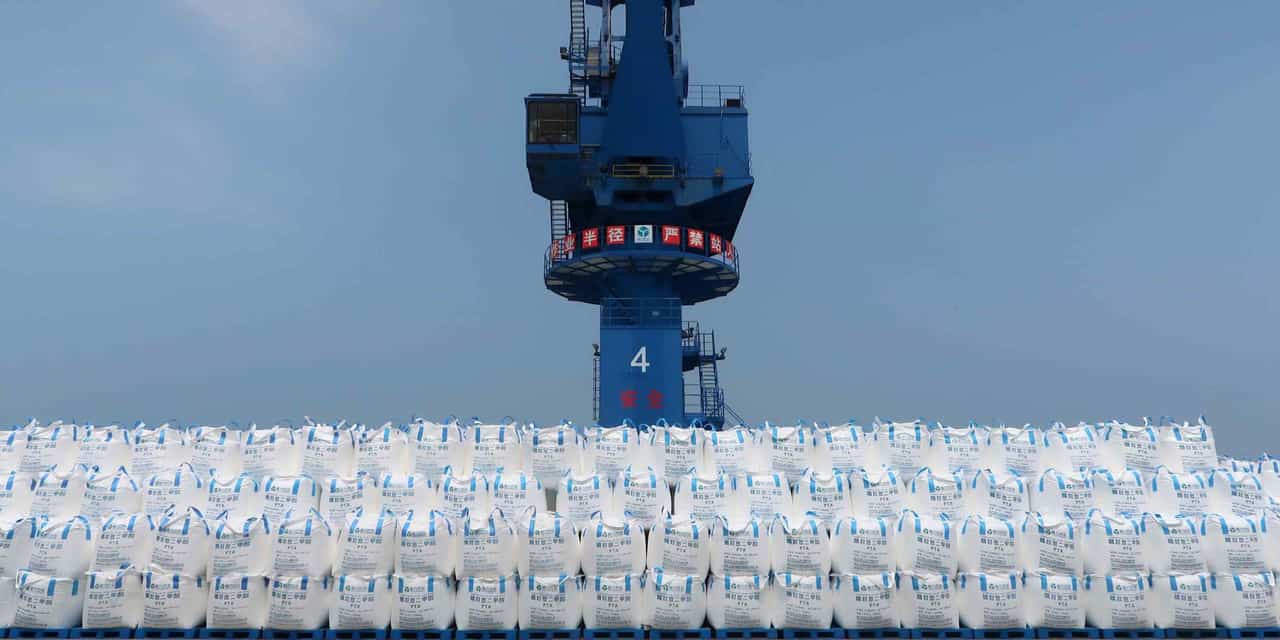
Hengli is a significant player in China's petrochemical sector, being a top producer of purified terephthalic acid, a key component in polyester production. The company's integrated refining and petrochemical complex in Liaoning province is considered one of the most modern in China. The sanctions on Hengli represent an escalation of U.S. efforts to cut off Iran's oil revenue, with potential ripple effects across Asian and global supply chains.