Key facts
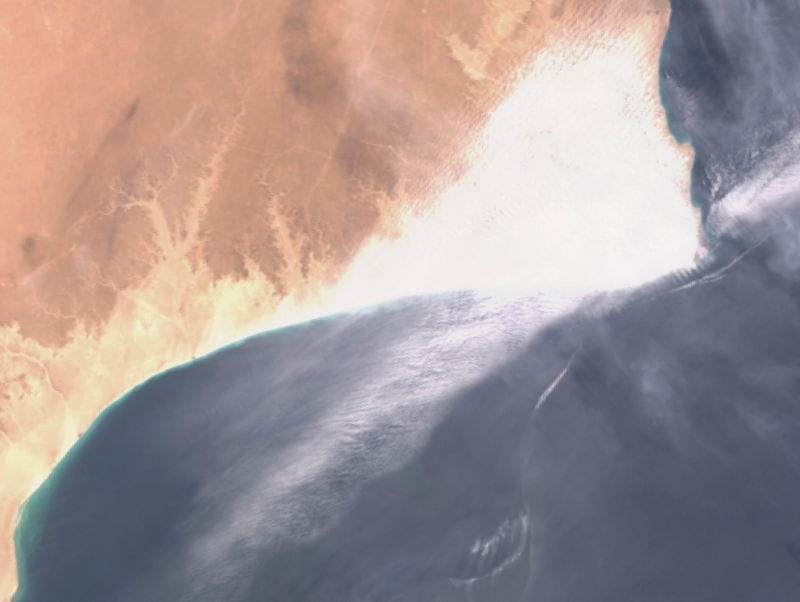
- A large oil spill in the Gulf of Oman, originating from the grounded tanker Caroline Bezengi, is rapidly becoming one of the worst in years.
- The tanker, carrying an estimated 800,000 barrels of Russian oil, ran aground on June 30.
- The spill's affected area has expanded significantly, with estimates ranging from 400 square km to over 2,000 square km.
- Complex war- and sanctions-related rules are hindering response efforts, with the IOPC Funds declining to cover clean-up costs as it's treated as an 'act of war'.
- The vessel is not insured by recognized Western providers, and a nightmare scenario of inadequate response could lead to the loss of the entire cargo.
A significant oil spill in the Gulf of Oman, originating from the grounded tanker Caroline Bezengi, is rapidly escalating into one of the worst in recent years. International agencies, satellite imagery, and environmental groups warn that the slick, carrying an estimated 800,000 barrels of Russian crude, has been allowed to spread largely unchecked for weeks.
The vessel ran aground on June 30 off the coast of Oman, near a marine nature reserve. The spill, first detected in early July, has reportedly reached the Omani mainland. The U.N.'s International Maritime Organization (IMO) confirmed oil is drifting towards the coast, though seasonal monsoon conditions have complicated access and salvage operations.
Estimates of the slick's size vary, with Oman reporting nearly 400 square kilometers affected, while environmental specialists like John Amos, CEO of SkyTruth, using satellite imagery, place the area at over 2,000 square kilometers. Greenpeace noted a dramatic acceleration in the spread since the beginning of August.
Compounding the crisis are complex war- and sanctions-related rules governing shipping and oil spills. The IOPC Funds stated it would not be involved in clean-up costs, treating the incident as an "act of war" rather than a simple accident. Furthermore, the 25-year-old tanker is not insured by recognized Western providers, raising concerns about adequate response and the potential for the entire cargo to be lost, which could rival the 1989 Exxon Valdez spill in size.