Key facts
- Guinea is accelerating iron ore exports to China, diverting shipping from bauxite.
- Guinean authorities are urging Simandou project partners to increase shipments to 4 million tonnes per month before seasonal rains.
- The first 200,000-tonne shipment from Simandou has reached China.
- Simandou is one of the world's largest untapped deposits of high-grade iron ore, with projected production of up to 120 million tons annually.
- Environmental groups have voiced concerns over ecological damage and threats to those challenging mining operations.
Guinea is significantly increasing its iron ore exports to China, diverting shipping capacity from bauxite to capitalize on higher prices and meet demand for 'green steel' production. Guinean authorities are pressuring joint venture partners at the Simandou megaproject to more than double monthly shipments to 4 million tonnes before the onset of heavy seasonal rains, which could halt operations.
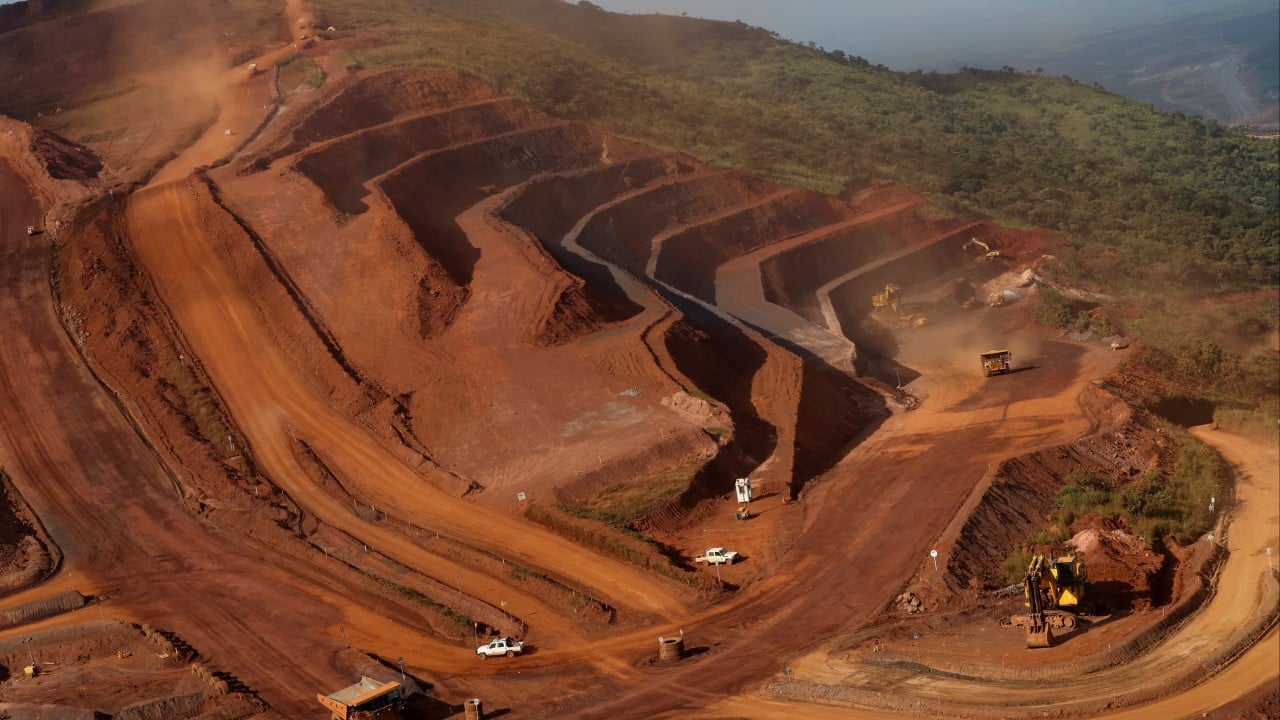
The first shipment of 200,000 tonnes of high-grade iron ore from Simandou has already reached China, marking a milestone for the West African nation, which aims to become a leading global producer. The Simandou deposits are estimated to hold 3 billion tons of ore, with potential to produce up to 120 million tons annually, which could boost Guinea's GDP by over 25% by 2030. The project involves significant infrastructure development, including a 650-kilometer railway and port facilities, with a total cost exceeding $20 billion.
The Simandou project is a joint venture involving several entities, including China Baowu Steel Group, Winning International Group, Weiqiao Aluminium (forming BWCS for blocks 1 and 2), and Rio Tinto and Chinalco (forming Simfer for other blocks). The Guinean government holds a 15% stake in both mining projects and the infrastructure joint venture.
However, the rapid development of the Simandou mines has drawn criticism from environmental advocates. Concerns have been raised about unaddressed ecological damage, including erosion, polluted waterways, and impacts on wildlife. Communities near the mining operations have reported contaminated water and damaged farmland. Legal challenges to the environmental certification of the Winning Consortium Simandou have been met with anonymous threats against legal counsel, highlighting ongoing tensions between development goals and environmental and community concerns.