Key facts
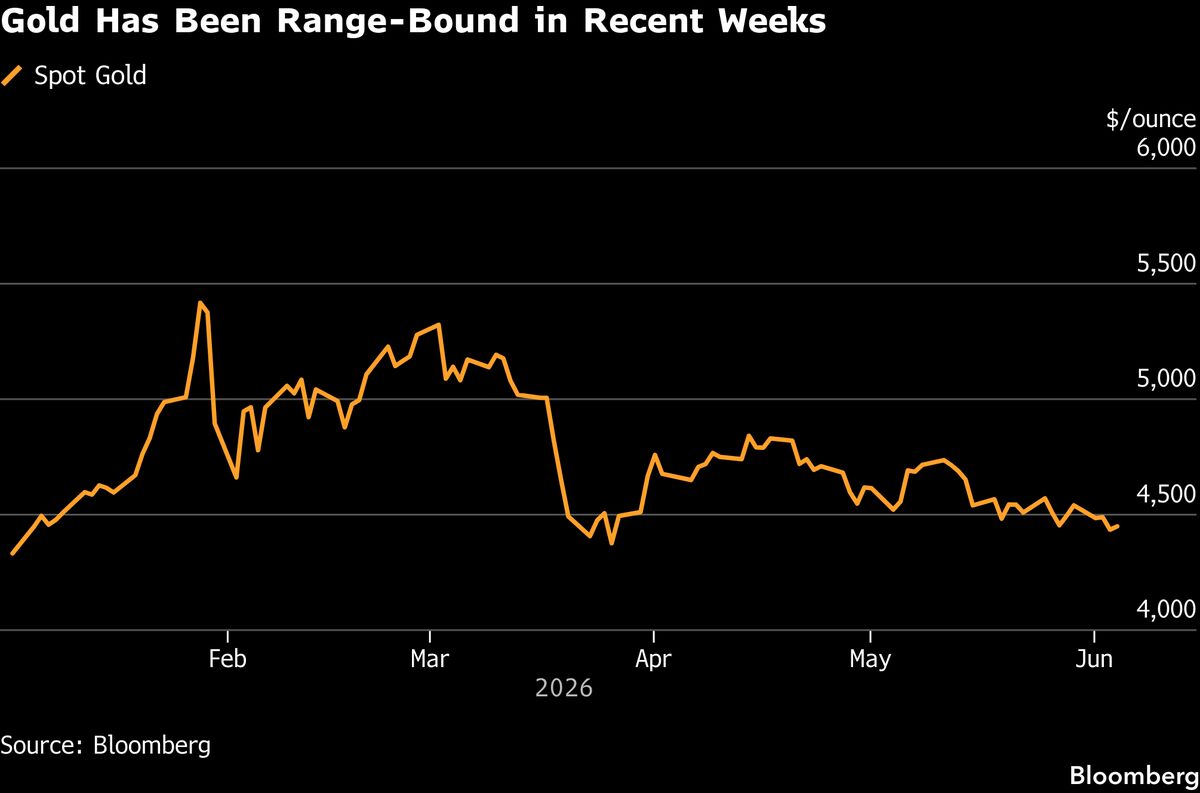
- Gold prices fell 1.0% to $4,444.86 per ounce on Wednesday.
- Iranian forces launched air attacks on Kuwait and Bahrain.
- Brent crude futures rose due to the conflict, raising inflation concerns.
- The U.S. dollar strengthened, making gold more expensive for foreign buyers.
- Traders await key U.S. jobs data, including the nonfarm payrolls report.
Gold prices declined by 1.0% to $4,444.86 per ounce on Wednesday, as escalating Middle East tensions between Iran and the U.S. diminished hopes for a peace deal. Iranian forces reportedly launched air attacks targeting U.S. bases in Kuwait and Bahrain, as well as the U.S. Fifth Fleet headquarters in Bahrain, in response to U.S. actions near Qeshm Island. These developments have raised concerns about the security of the Strait of Hormuz, a critical oil shipping lane, potentially leading to persistently elevated oil prices and renewed inflation fears. This, in turn, fuels expectations that the Federal Reserve might maintain or even increase interest rates later in the year, which is typically bearish for non-yielding gold. The U.S. dollar also strengthened, further pressuring gold by making it more expensive for international buyers. Traders are adopting a cautious stance ahead of key U.S. economic data releases, including the ADP private employment report, ISM services survey, and factory orders on Wednesday, and the crucial nonfarm payrolls report on Friday, which could provide further clues on the Fed's monetary policy path. Gold has been trading below the $4,500 level amid this uncertainty.