Key facts
- A Japanese government report concluded that a coordinated global release of oil reserves helped Asian economies avoid a sharp slowdown due to the Iran war.
- Japan announced it would release emergency oil reserves to curb soaring energy prices.
- The Japanese government planned to sell approximately 8.5 million kiloliters of oil from its reserves.
- Japan's release of oil reserves was part of a larger global effort involving 32 countries agreeing to pump 400 million barrels into the market.
- Despite the release, some Japanese experts and citizens expressed concerns about the long-term effectiveness and substance of the government's response.
A coordinated global release of oil reserves, involving 32 countries agreeing to pump 400 million barrels into the market, helped Asian economies avoid a sharp slowdown stemming from the Iran war, according to a Japanese government report. The report indicated that Asian economies were able to import crude oil from sources outside the Middle East.
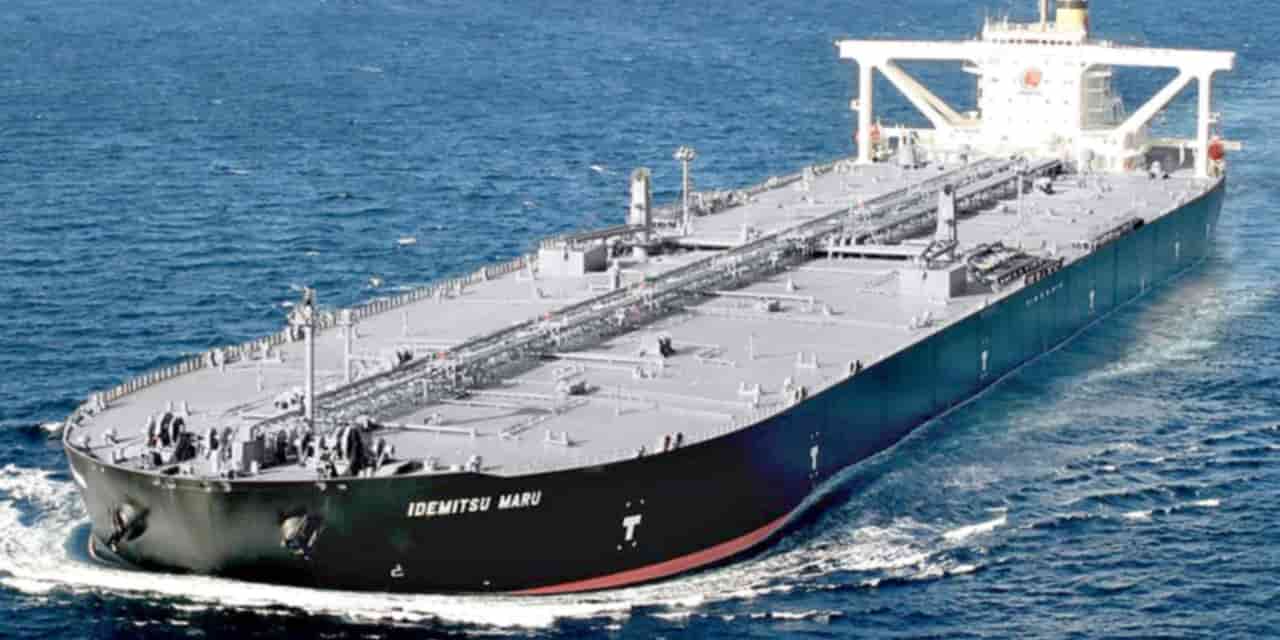
In response to soaring energy prices amid the US-Israel conflict with Iran, Japanese Prime Minister Sanae Takaichi announced that Japan would begin releasing emergency oil reserves. The government planned to sell approximately 8.5 million kiloliters of oil from its state reserves, with about 80 million barrels of stockpiled oil provided to Japanese refiners, covering 45 days of domestic demand. Japan imports over 90 percent of its crude oil from the Middle East, making it particularly vulnerable to geopolitical instability in the region.
However, the effectiveness of Japan's domestic policies in dealing with surging energy prices has been questioned. Some experts cautioned that the emergency release offers only temporary respite, and that maintaining minimum inventory levels means Japan could face shortages once the release concludes. Social anxiety could spread, representing a worst-case scenario. Many Japanese netizens expressed dissatisfaction online, with comments suggesting the problem was merely made less visible and that there was a lack of substance in the government's response. Media outlets also highlighted the limits of domestic policy, stating that stability in the Middle East is the only true solution. A professor noted that Japan faces triple overlapping crises: extreme dependence on oil imports, long-standing structural economic problems, and anxiety from geopolitical shocks.