Key facts
- El Niño could reduce Brazil's coffee harvest by 15% to 20%.
- Excessive heat and irregular rainfall are the primary threats to coffee production.
- Brazilian coffee farmers have invested in irrigation and climate-resistant crop technology.
- The 2023/24 El Niño already led to a reduction in Brazil's 2024 coffee crop.
- Northern Brazil's robusta crop is expected to see a record harvest due to favorable conditions.
El Niño weather patterns are expected to significantly impact Brazil's coffee harvest, potentially reducing output by up to 20% due to excessive heat and irregular rainfall, according to the Brazilian Coffee Industry Association (Abic).
State crop agency Conab had initially forecast a record output of 66.7 million 60-kilogram bags for the current year. However, deteriorating weather conditions associated with El Niño could lead to substantial crop losses, with Abic executive director Celirio Inacio da Silva stating that a 15% to 20% reduction would be "very bad news" in the current scenario.
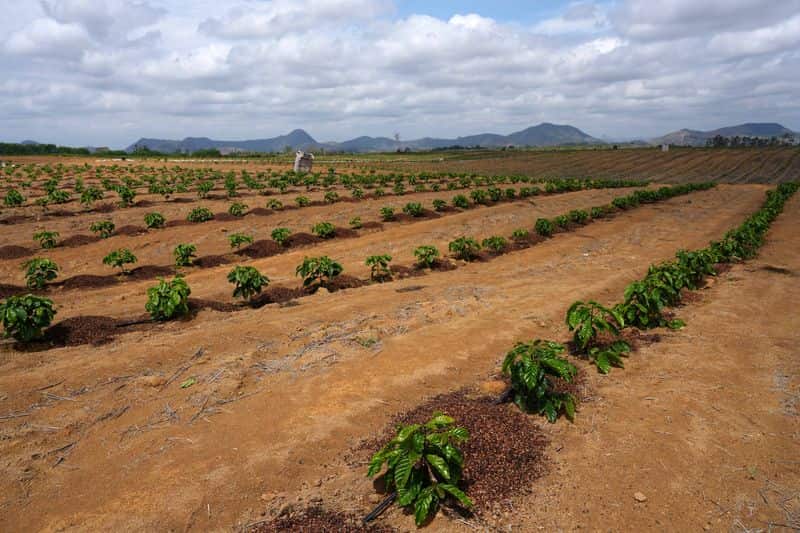
Despite the challenges, coffee growers are reportedly better prepared than in past El Niño events. Technological advancements have led to more climate-resistant crops, and farmers have expanded irrigation systems to mitigate dependence on erratic rainfall. Silva noted significant progress in planting and harvesting efficiency.
Specialists warn that El Niño could disrupt the crop's biological cycle, particularly during the flowering period in the second half of 2026. Excessive heat and irregular rainfall can cause uneven flowering, leading to quality problems and making harvesting more difficult, according to Wellis Caixeta, coffee purchasing manager at Expocacer.
The 2023/24 El Niño has already contributed to anomalies, such as unusual rainfall in southeastern Brazil that delayed harvests and caused coffee cherries to fall, impacting bean quality. Espirito Santo, a major canephora producer, has experienced irregular weather patterns, with concerns that El Niño could prolong dry periods and excessive heat through January 2027, affecting bean filling. Luiz Carlos Bastianello, president of Cooabriel, noted that heat is the biggest risk, as temperatures above 27 degrees Celsius slow canephora metabolism and temperatures at 35°C halt it entirely.
In contrast, northern Brazil has experienced more favorable conditions, with temperatures and rainfall largely within seasonal norms. Farmers in Rondonia state anticipate a record harvest of 3 million bags, with robusta crops expected to be less impacted by heat and drought due to widespread irrigation and cooling systems, unlike many arabica farms that still lack irrigation, according to Juan Travain, president of Caferon.