Key facts
- El Niño conditions have formed in the Pacific Ocean.
- The phenomenon is expected to strengthen into historic levels, potentially rivaling or exceeding the 1997 event.
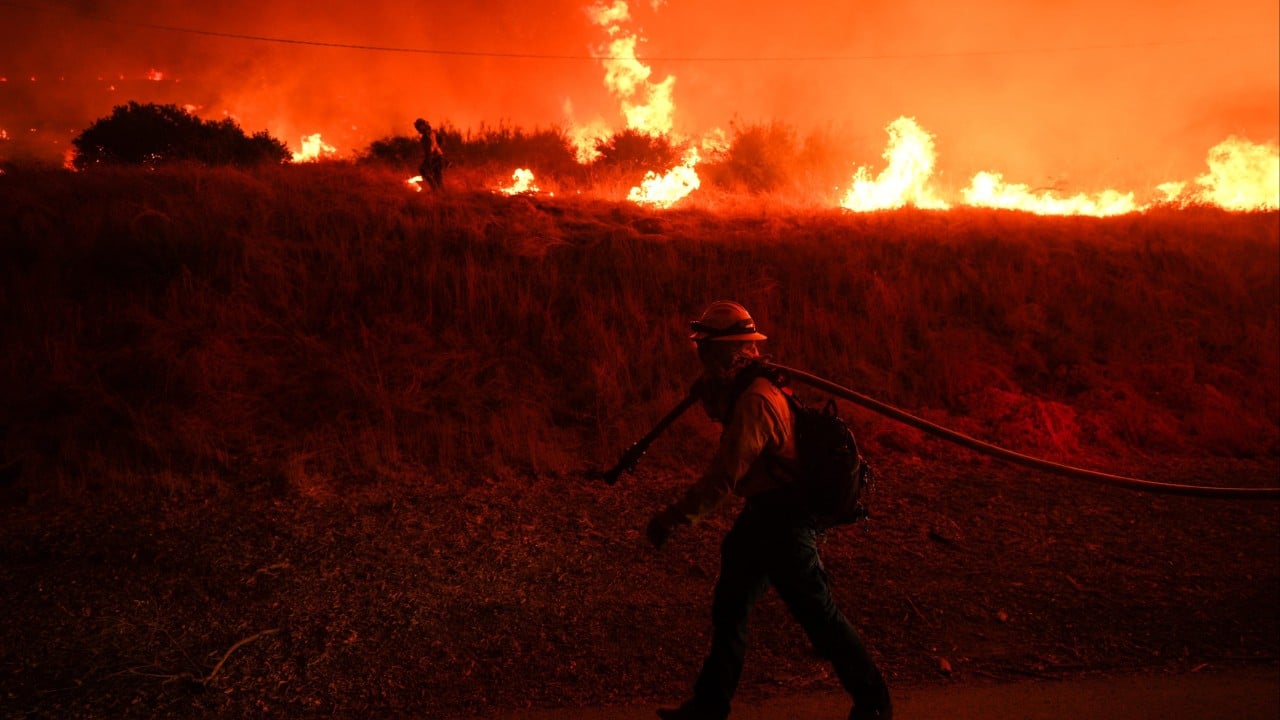
- El Niño is predicted to turbocharge extreme weather globally, including heatwaves, floods, droughts, and wildfires.
- NOAA confirmed the El Niño's existence, with a 63% chance of it ranking among the largest events since 1950.
- The event is expected to exacerbate global warming caused by fossil fuel pollution.
- Regional impacts vary, with increased hurricane activity in the Pacific, potential breaks in Atlantic hurricanes, and varied effects on drought and rainfall globally.
El Niño conditions have officially formed in the Pacific Ocean and are expected to intensify into historic levels, potentially rivaling or exceeding the record-breaking event of 1997. Meteorologists announced on June 11 that this natural warming cycle, occurring in an already warmed-up Pacific, is likely to further exacerbate global warming driven by fossil fuel pollution and turbocharge extreme weather events worldwide.
The US National Oceanic and Atmospheric Administration (NOAA) confirmed the existence of El Niño, a warming of the Pacific near the equator that influences global weather patterns. NOAA stated there is a 63% chance the event will become intense enough this fall and early winter to rank among the largest El Niño occurrences recorded since 1950. Climate scientists note that the warm waters associated with El Niño bring extra heat to the surface, fueling extreme weather events globally.
United Nations Secretary-General António Guterres characterized El Niño as an "urgent climate warning," stating it will "pour fuel on the fire of a warming world." The impacts of El Niño vary by region. While it may dampen Atlantic hurricane activity, it typically increases it in the Pacific, posing greater risks to islands like Hawaii. Drought-stricken regions like the Middle East might see some benefit, but areas such as western South America could face heavy rain and floods. India is expected to experience more intense heatwaves, and Australia faces threats from drought, wildfires, and heat. Northeastern Africa may experience a whiplash between intense drought and heavy rainfall.
In the United States, El Niño can lead to more intense storms with heavier rainfall in the South, while generally benefiting the agriculture industry, particularly for grains like soybeans. However, higher temperatures overall can dampen American economic growth, with forecasts suggesting 2027 could be the hottest year on record due to El Niño's lingering effects. Scientists also note that large El Niños tend to last longer, and strong early indicators suggest this event may peak earlier than usual.