Key facts
- China produces and consumes over 40% of global egg production.
- Average egg consumption per capita in China is approximately 18 kg per year.
- Chicken eggs constitute 85% of the table eggs available in the Chinese market.
- China has a history of poultry production spanning over 5,000 years.
- Stringent environmental regulations are now in place for egg production.
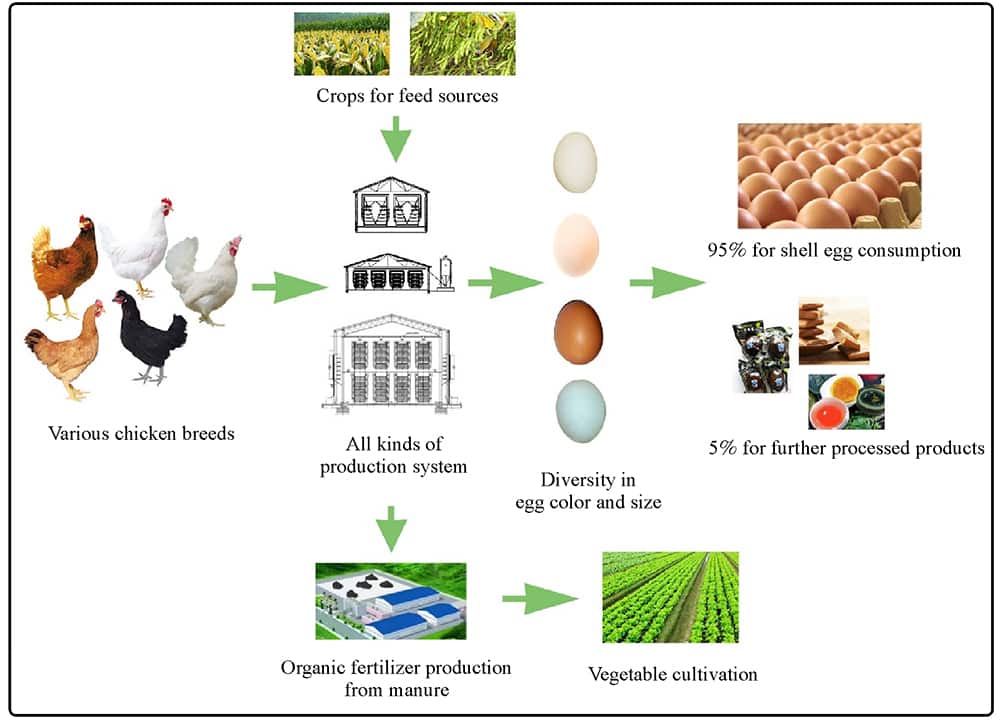
China faces a significant challenge in its egg market, characterized by high per capita consumption and evolving production dynamics. As the country with the largest population, demand for food, including eggs, is immense. China produces and consumes over 40% of the global egg supply, with an average per capita consumption of approximately 18 kg annually, surpassing the average in developed nations. Chicken eggs are the dominant product, accounting for 85% of table eggs, despite the availability of duck, quail, and goose eggs. The nation boasts a poultry production history of over 5,000 years, with rapid development spurred by economic reforms since 1978. However, increased production has led to more stringent environmental regulations concerning pollution control and waste management from layer farms. The country's egg production system is marked by diversity in genetic variety, egg products, and production methods.