HomeEverythingEducationTV
Equities & FundsCrypto & Digital AssetsAI & TechnologyBusiness & CorporateUS Politics & PolicyGeopolitics & Global RiskMacro, Rates & FXCommodities & EnergyEuropean Politics & MarketsAsia-PacificReal Estate & Property
Story archiveAll categories
← All Stories

China's Big Three Airlines Post Deeper H1 Losses on Soaring Jet Fuel Costs

Created at 15 Jul · 6:26 AM1 source↑ Market-relevant
IN SHORT

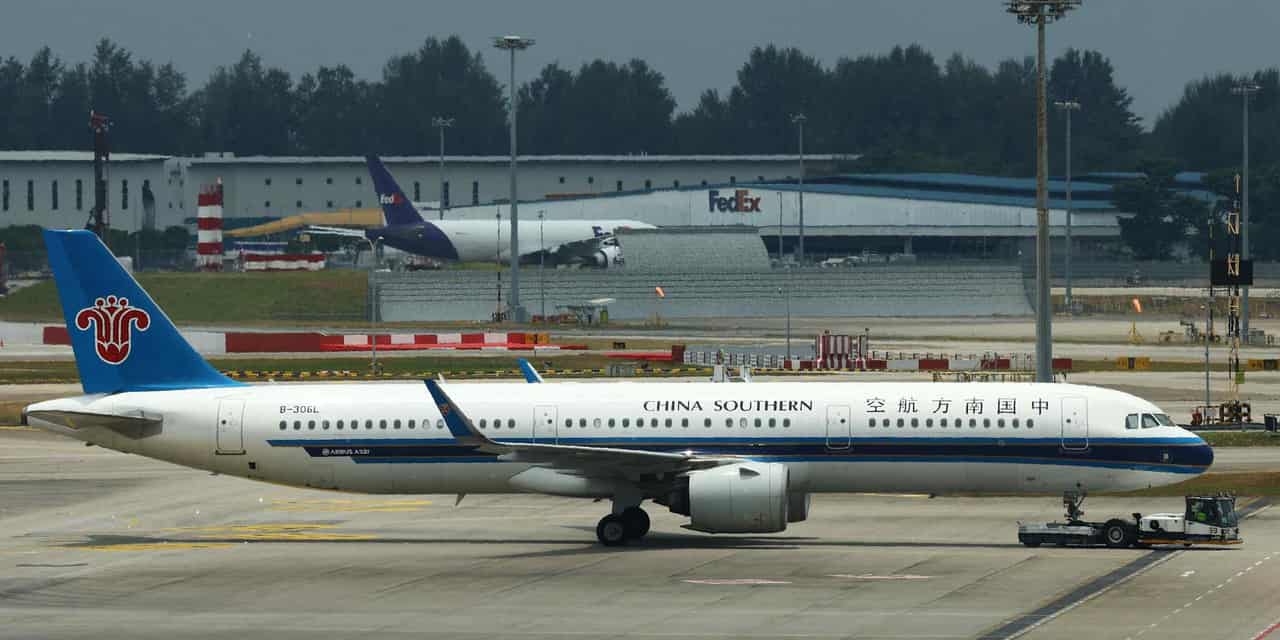
China's three largest state-owned airlines, China Southern, Air China, and China Eastern, are set to report larger first-half net losses than the previous year. The primary driver is a significant increase in jet fuel prices, exacerbated by the ongoing Middle East conflict.

✉Newsletter

PiQ Daily

Pick your topics. Get only what matters, on your cadence.

Key Numbers

$1.33bnmaximum expected first-half net loss for China's big three airlines
35–38%proportion of operating costs attributed to fuel
$175average price per barrel for Singapore jet fuel in late February
50%increase in Brent crude futures since the Middle East war began
$200potential worst-case scenario for Brent crude futures
CNY100 to CNY500range of fuel surcharge increases implemented by carriers
$15 to $75equivalent range of fuel surcharge increases in USD

Who's Involved

China Southern
state-owned airline expecting significant first-half net losses
Air China
state-owned airline expecting significant first-half net losses
China Eastern
state-owned airline expecting significant first-half net losses
HSBC
analyst firm revising profit forecasts for major carriers
China's Big Three Airlines Post Deeper H1 Losses on Soaring Jet Fuel Costs

↳ Why This Matters

The soaring cost of jet fuel, driven by geopolitical tensions in the Middle East, is significantly impacting the profitability of China's major airlines, potentially delaying their post-pandemic financial recovery and highlighting the vulnerability of the global aviation sector to energy price shocks.

Key facts

  • China's three largest airlines, China Southern, Air China, and China Eastern, anticipate larger net losses for the first half of the year.
  • The primary reason for the increased losses is a surge in jet fuel prices, which have more than doubled due to the Middle East conflict.
  • Fuel costs constitute a significant portion, 35-38%, of the operating expenses for these carriers.
  • The ability to pass on increased costs through fuel surcharges is limited in China, with a typical lag and incomplete offset.
  • Analysts forecast deeper losses for the major carriers in 2026, with a return to profitability expected in 2027.

China's three largest state-owned airlines, China Southern, Air China, and China Eastern, are bracing for deeper net losses in the first half of the year, largely attributed to escalating fuel prices stemming from the ongoing Middle East conflict. Singapore jet fuel prices have surged to approximately $175 per barrel in late February, more than double levels seen just months prior, a trend linked to a broader global energy price shock where Brent crude futures have risen over 50% since the war's escalation.

Fuel represents a substantial 35-38% of operating costs for these carriers. While fuel surcharges are implemented, the mechanism in China typically lags behind cost increases and does not fully compensate for them, directly impacting profitability. This financial pressure arrives at a critical juncture as the sector was attempting a recovery from the pandemic. Despite a strong passenger performance during the Spring Festival, the underlying financial recovery is now at risk.

HSBC analysts have revised their outlook, now anticipating deeper losses for the major carriers in 2026 before a potential return to profitability in 2027. This forecast reflects the significant challenge posed by higher energy prices. Nevertheless, the airlines are continuing with strategic international expansion, with China Eastern set to launch a new Shanghai Pudong-Zurich service. This indicates a balancing act between managing immediate cost pressures and investing in future growth and market share.

Frequently asked questions

The primary reason is a sharp increase in jet fuel prices, exacerbated by the ongoing Middle East conflict, which significantly raises operating costs.

Singapore jet fuel prices have more than doubled since the Middle East conflict escalated, averaging about $175 per barrel in late February.

Fuel accounts for 35-38% of the operating costs for China's 'Big Three' airlines.

HSBC analysts predict deeper losses in 2026, with a return to profitability anticipated in 2027.

What Happens Next

01Airlines will continue to implement fuel surcharges.
02HSBC expects major carriers to post deeper losses in 2026.
03Profitability is forecast to return in 2027.

Get the newsletter.

Pick the topics you actually care about. We'll email when there's news worth your time, on the cadence you choose. Cancel any time from your account.

Cadence
CME Headlines
  • Wheat futures gained as corn and soybeans retreated
    14 Jul · 8:10 PM
  • Wheat futures gained as corn and soybeans retreated
    14 Jul · 8:10 PM
  • Cattle futures slid as hog futures posted modest gains
    14 Jul · 8:10 PM

How It Developed

China's three major state-owned airlines expect deeper first-half net losses.
Higher fuel prices, driven by the Middle East war, are the main cause.
Singapore jet fuel prices have more than doubled since the conflict escalated.
Brent crude futures surged over 50% since the war began.
Fuel costs represent 35-38% of operating expenses for these airlines.
Fuel surcharges in China lag behind cost increases and do not fully offset them.
The sector was attempting a fragile post-pandemic recovery.
HSBC now expects deeper losses in 2026 before returning to profitability in 2027.

Sources

T1
China's big three airlines lose up to $1.33bn amid Middle East warNikkei Asia
T2
China's "Big Three" Airlines Face Profit Squeeze as Fuel Costs Double ...ainvest.com

Related Stories

China's Electric Taxis Soften Oil Shock Amid Hormuz Tensions
14 Jul · 8:06 AM
UK heating oil customers to receive up to £350 compensation
15 Jul · 5:16 AM
BP flags $1 billion impairment despite strong earnings from energy prices
14 Jul · 1:30 PM
Oil Surges Past $85 on Trump's Hormuz Levy and Blockade
14 Jul · 9:06 AM
Gas Station Profits Rise as Oil Prices Fall
14 Jul · 4:06 PM